


Symptoms of Atherosclerosis

Currently, due to work and study demands, most people spend prolonged periods sitting each day, which may lead to various health conditions—such as lower-limb arteriosclerosis. So, what are the symptoms of arteriosclerosis?
Symptoms of Arteriosclerosis
Arteriosclerosis is a very common, age-related condition: the older a person is, the more severe the arteriosclerosis tends to become. Ultimately, arteriosclerosis leads to vascular occlusion and inadequate blood supply. When cerebral arteries become blocked, neurological symptoms may arise; when coronary arteries are affected, symptoms such as angina pectoris or coronary artery disease may occur; and when arteries in the legs become obstructed, intermittent claudication may develop. Thus, clinical manifestations of arteriosclerosis vary widely, depending on which blood vessels—or corresponding organs—are affected.
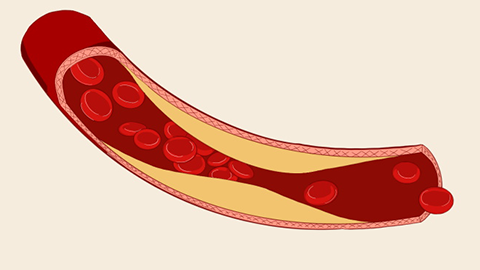
Patients with arteriosclerosis should pay attention to lifestyle modifications: consume plenty of vegetables, fruits, and high-protein foods, while minimizing intake of fatty meats. Engage in moderate physical activity daily—avoid prolonged sitting or lying down. Regular exercise can help slow disease progression. Refrain from alcohol consumption, and avoid smoking—especially during times of stress. Instead, talk openly with friends or family members and strive to maintain a positive, relaxed mood.
We recommend that patients incorporate regular physical exercise into their daily routine, avoid staying up late, and abstain from smoking and excessive alcohol consumption—thereby cultivating healthy, sustainable lifestyle habits. We hope this information proves helpful to you.


