


Hypertension Classification

Common Medications for Hypertension
Modern lifestyles—characterized by excessive work and life stress, as well as poor daily routines—predispose individuals to numerous endocrine disorders, among which hypertension is especially common. So, how is hypertension classified?
Classification of Hypertension
Hypertension is categorized into three grades based on blood pressure readings:
- Systolic blood pressure (SBP):
• Grade 1: 140–159 mmHg
• Grade 2: 160–179 mmHg
• Grade 3: ≥180 mmHg - Diastolic blood pressure (DBP):
• Grade 1: 90–99 mmHg
• Grade 2: 100–109 mmHg
• Grade 3: ≥110 mmHg
Additionally, SBP of 130–140 mmHg or DBP of 85–90 mmHg represents the upper limit of normal blood pressure. Although not yet meeting diagnostic criteria for hypertension, such values warrant close monitoring and should be regarded as “prehypertensive.” If blood pressure readings are unstable, it is recommended to measure blood pressure continuously for three days and calculate the average value.
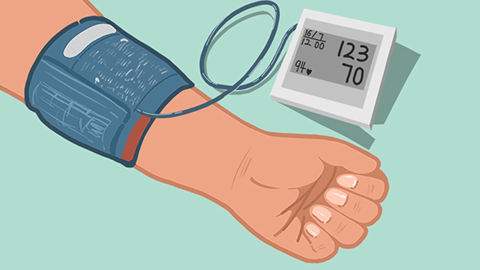
Excessively high blood pressure can trigger a range of complications, particularly affecting vital organs such as the heart, brain, and kidneys. Patients with hypertension should follow their physician’s guidance and use antihypertensive medications appropriately. It is important to understand that blood pressure does not typically decrease immediately after initiating antihypertensive therapy; rather, reduction usually occurs gradually over 2–4 weeks. While moderate physical activity is encouraged, patients should avoid exercising during extremely cold weather.

Patients are advised to drink oral rehydration solutions containing appropriate amounts of sugar and salt, avoid adverse psychological stressors, ensure adequate sleep, and initiate prescribed medication promptly. We hope this information proves helpful.


