


Nausea and discomfort during pregnancy

Many pregnant women are actually aware of the symptoms of early pregnancy, yet these symptoms can sometimes cause significant anxiety. Regardless of what occurs during pregnancy, maintaining a positive and cheerful mood is especially crucial for the baby’s healthy development. Many women experience nausea and general discomfort after becoming pregnant. So, what can be done about nausea and discomfort during pregnancy?
Nausea and Discomfort During Pregnancy
Nausea and discomfort are common in early pregnancy. It is recommended that pregnant women begin taking a prenatal multivitamin supplement after conception to help reduce nausea and vomiting. If vomiting becomes severe, laboratory tests—including urinalysis, serum electrolyte panel, liver function tests, and renal function tests—should be performed. If urine ketones are positive and electrolyte imbalances are present, intravenous fluid replacement therapy should be initiated in the hospital setting. This may include potassium chloride and vitamin C supplementation, along with intramuscular administration of vitamin B1 (thiamine). Antiemetic medications may also be prescribed; options include vitamin B6 alone or a combination preparation of vitamin B6 and doxylamine. In cases of metabolic acidosis, sodium bicarbonate may be administered to correct the acid-base imbalance. For malnourished patients, treatment with amino acid solutions and fat emulsions may be indicated.
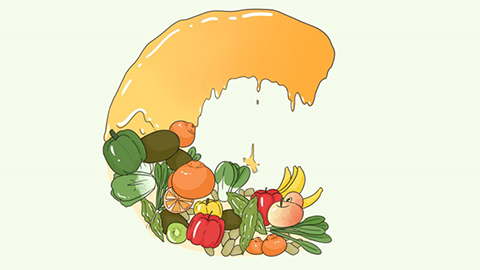
When feeling unwell, pregnant women may find relief by sipping warm tea or milk, or by adding lemon to warm water. Generally, both cold and warm foods tend to be better tolerated and less likely to trigger nausea. Cold foods, in particular, have a milder odor and are less likely to irritate the gastric mucosa. In cases of severe nausea, spicy or otherwise irritating foods should be avoided entirely. After meals, pregnant women should remain calm and rest quietly—lying down for a short period and minimizing physical activity. Smaller, more frequent meals are preferable to large ones, and fatty or greasy foods—especially those heavily seasoned with pepper or other strong spices—should be avoided to prevent gastrointestinal irritation. As nausea and vomiting subside, energy levels typically improve, thereby alleviating overall discomfort.

Pregnant women are encouraged to drink plenty of fluids and consume ample fresh fruits and vegetables. We hope this information is helpful.


