


Diagnostic Criteria for Mumps
Aug 22, 2022
Source: Cainiu Health

Dr. Jiang Weimin
Introduction
The diagnosis of mumps is as follows: First, it must be differentiated from suppurative parotitis. The latter is characterized primarily by unilateral parotid enlargement without orchitis or oophoritis. Purulent discharge can be expressed from the parotid duct orifice upon gland compression, and there is a marked increase in both the total neutrophil count and peripheral blood neutrophil count. Second, other viral infections—such as those caused by coxsackieviruses, echoviruses, influenza A virus, parainfluenza viruses, Epstein–Barr virus, and HIV—can also cause parotitis.
Nowadays, frequent late-night work and study exert significant negative effects on the body, lowering immune function and disrupting endocrine and exocrine systems. Mumps is a relatively common condition associated with these lifestyle factors. So, what are the diagnostic criteria for mumps?
Diagnostic Criteria for Mumps
The diagnosis of mumps proceeds as follows. First, it must be differentiated from suppurative parotitis. Suppurative parotitis typically presents with unilateral parotid gland enlargement, without orchitis or oophoritis. Squeezing the parotid gland yields purulent discharge from the duct orifice, and both the total neutrophil count and peripheral blood neutrophil count are markedly elevated. Second, other viral infections—including influenza A virus, parainfluenza virus, coxsackievirus A (an enterovirus), and lymphocytic choriomeningitis virus—can also cause parotitis; definitive identification requires serological testing and viral isolation.
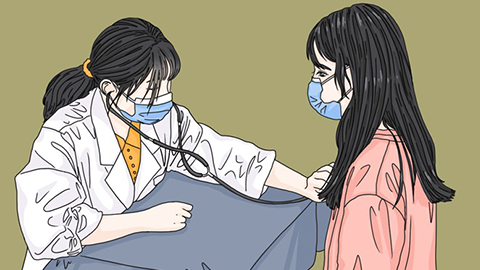
Parotitis caused by influenza A virus, parainfluenza virus, and other pathogens likewise requires confirmation via serological testing and viral isolation. Additionally, patients with mumps should avoid acidic foods and instead consume easily digestible foods such as congee, soft rice, and soft noodles. They should drink ample warm water and mild saline solution to maintain adequate hydration. Spicy, greasy, sweet, and hard-to-chew foods should also be avoided.
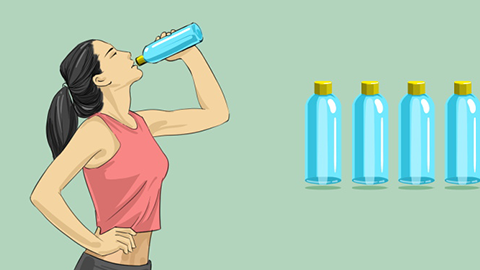
Patients are advised to drink plenty of fluids, eat easily digestible foods, avoid irritants, and prefer bland, light meals. We hope this information proves helpful.



