


Primary Causes of Angina Pectoris

Today, many people frequently stay up late for work or study, which exerts significant negative effects on the body—reducing immune function and disrupting endocrine balance. A common resulting condition is angina pectoris. What, then, are the primary causes of angina?
Primary Causes of Angina Pectoris
The main causes of angina pectoris include underlying heart disease and various precipitating factors—most notably coronary artery atherosclerosis, which leads to narrowing of the arterial lumen. Such narrowing, combined with triggering factors, can provoke angina episodes. Common triggers—including emotional stress, anxiety, physical exertion, straining during bowel movements, and heavy smoking—stimulate the sympathetic nervous system, resulting in tachycardia and elevated blood pressure. Enhanced sympathetic activity further exacerbates pre-existing coronary artery stenosis, ultimately causing myocardial ischemia. Therefore, it is essential to actively identify and control these triggers—avoiding excessive physical exertion, emotional agitation, and psychological stress.
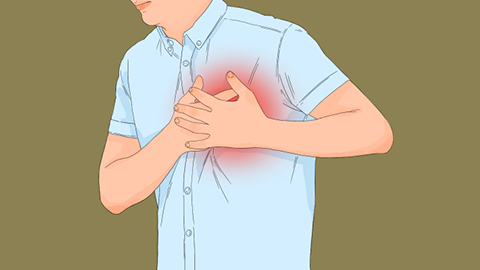
Angina pectoris is classified into three types: exertional angina, spontaneous angina, and mixed angina. Exertional angina may be further subdivided into stable angina, unstable angina (also termed “crescendo angina”), and worsening (or “progressive”) angina. Spontaneous angina includes nocturnal (or “resting”) angina, variant (Prinzmetal’s) angina, and the intermediate syndrome. Mixed angina refers to the concurrent occurrence of both exertional and spontaneous angina. Exertional angina is typically triggered by physical activity; during exercise, increased heart rate, elevated blood pressure, and heightened myocardial oxygen demand collectively precipitate angina symptoms.

Patients are advised to maintain a positive and relaxed mood. They should avoid consuming cold, spicy, or high-fat foods. We hope this information proves helpful.


