


Clinical Manifestations of Coronary Artery Disease

Today, frequent late-night work and study have exerted significant negative effects on people’s health—lowering immune function and disrupting endocrine balance. Cardiovascular issues, particularly coronary heart disease (CHD), are among the more common consequences. So, what are the clinical manifestations of CHD?
Clinical Manifestations of Coronary Heart Disease
CHD primarily causes symptoms such as chest tightness and pain. These discomforts typically worsen with physical exertion or emotional stress and may be accompanied by shortness of breath and weak pulse. Conservative treatment commonly involves nitrates and antithrombotic medications; in certain cases, interventional procedures or surgery may be necessary. One hallmark symptom of CHD is chest discomfort—patients often experience a sensation of tightness or burning pain in the chest, lasting approximately five minutes, though severe episodes may persist up to 15 minutes.
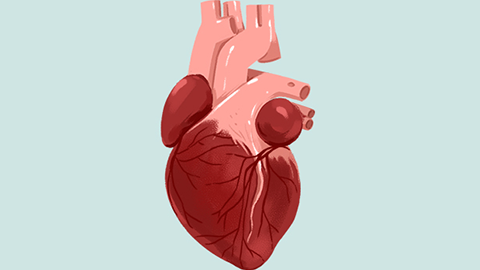
CHD most frequently occurs in individuals aged 40 years and older, with incidence increasing steadily with age. While men constitute the majority of affected patients, women’s risk rises significantly after menopause. Major modifiable risk factors for CHD include smoking: nicotine in tobacco induces vasoconstriction, thereby contributing to coronary artery disease. Patients should regularly monitor blood pressure and lipid levels and maintain a healthy body weight—excess weight can exacerbate disease progression.

Patients are advised to avoid smoking and alcohol consumption, consume nutrient-rich foods, avoid overeating, and take precautions against cold exposure by staying warm during cooler weather. We hope this information proves helpful to you.


