


Principles of Treatment for Stable Angina

Today, many people frequently stay up late for work or study, which exerts significant negative effects on the body—reducing immune function and disrupting endocrine balance. Moreover, chronic stress adversely affects cardiac health, with angina pectoris being a relatively common manifestation. What, then, are the treatment principles for stable angina?
Treatment Principles for Stable Angina
The pathophysiology of stable angina involves coronary artery atherosclerosis, leading to insufficient myocardial blood supply and consequent myocardial injury and pain. Therefore, improving myocardial perfusion effectively reduces myocardial damage and prevents anginal episodes. Increased myocardial oxygen demand elevates both the likelihood and severity of angina attacks—and may even precipitate heart failure or acute myocardial infarction.
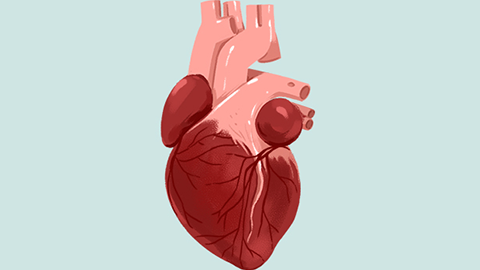
Patients with angina should adhere strictly to prescribed medications during weekdays to prevent disease progression. It is recommended that patients take lipid-lowering and plaque-stabilizing agents—such as aspirin and statins. Additionally, lifestyle modifications are essential: regular physical exercise, weight management, smoking cessation, alcohol abstinence, and adoption of a low-salt, low-fat diet. Comprehensive health check-ups—including complete blood count, urinalysis, electrocardiography (ECG), color Doppler echocardiography, and assessments of liver and renal function—are advised every six months to one year.
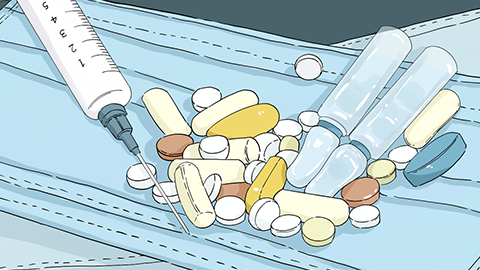
Patients are also encouraged to maintain a positive emotional state. They should avoid cold, spicy, or high-fat foods. We hope this information proves helpful to you.


