


How to Supplement Yang Deficiency

The kidneys filter impurities from the blood and help regulate blood pressure. Poor daily lifestyle habits can easily lead to kidney deficiency (kidney “xu”). Kidney deficiency is broadly categorized into kidney yin deficiency and kidney yang deficiency; each type requires distinct therapeutic approaches. Kidney yang deficiency is commonly caused by excessive sexual activity. So, how should one supplement kidney yang?
How to Supplement Kidney Yang
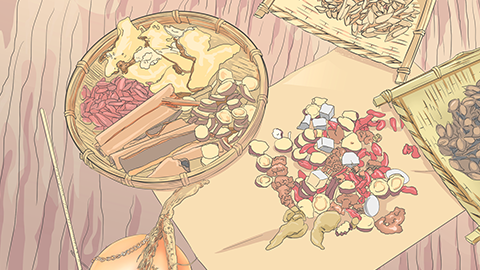
Individuals with kidney yang deficiency may benefit from warming and tonifying kidney-yang products. Such products include Jin Kui Shen Qi Wan (Jinkui Kidney Qi Pills) and Gui Fu Di Huang Wan (Cinnamon and Aconite Rehmannia Pills). Foods with warming properties—such as lamb and venison—as well as high-quality proteins, black beans, black sesame seeds, cordyceps sinensis, and cistanche are also beneficial for nourishing the kidneys and reinforcing qi, serving both medicinal and dietary purposes. Additionally, traditional Chinese herbs known for tonifying kidney yang—such as morinda root (Ba Ji Tian), eucommia bark (Du Zhong), and achyranthes root (Chuan Niu Xi)—can be incorporated into soups or decoctions.
Individuals with kidney yang deficiency should avoid prolonged exposure to air conditioning, engage in moderate aerobic exercise, and refrain from overexertion and staying up late. It is essential to keep the lower back, abdomen, legs, and feet warm. Avoid raw, cold, or fried foods; instead, favor warming and nourishing foods such as longan fruit, peanuts, Chinese yam, and Chinese chives. Drinking an appropriate amount of aged Pu’er black tea daily is also recommended, alongside adequate rest and avoidance of late-night activities.

Patients are advised to maintain regular daily routines—avoiding late nights, alcohol consumption, and smoking—and to engage frequently in outdoor physical activity to strengthen overall constitution. We hope this information proves helpful to you.


