


What causes frequent retching in children?

Every bodily response you experience may signal something about your health. Sometimes, you might assume that your dry heaving is caused by indigestion or eating greasy foods. In reality, however, this symptom could stem from dietary factors or underlying physical abnormalities. So, what causes persistent dry heaving in children?
What Causes Persistent Dry Heaving in Children?
Persistent dry heaving in children may result from gastrointestinal dysfunction, gastroenteritis (intestinal infection), or other digestive system disorders. Gastrointestinal disturbances—such as cold stomach syndrome—can occur when children consume cold foods or are introduced to excessive complementary foods too early. This may lead to symptoms including dry heaving, abdominal pain, and diarrhea. Additionally, some children may exhibit other signs, such as vomiting upon drinking water. Gastrointestinal infections are commonly caused by enteric viruses and are typically accompanied by diarrhea or fever. Moreover, structural or functional digestive issues—such as gastroesophageal reflux disease (GERD), pyloric stenosis, or intestinal abnormalities—may also manifest as dry heaving. Parents are advised to take their child to a hospital for thorough evaluation and prompt, appropriate treatment.
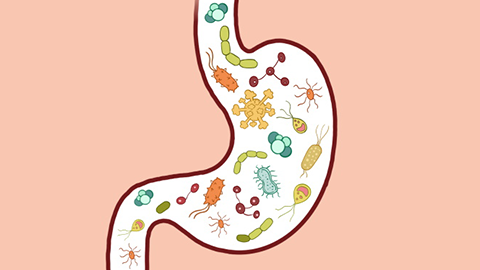
Dry heaving in children may also originate from nasal conditions, such as rhinitis or sinusitis, which cause a marked increase in nasal secretions. When lying flat, these secretions may drain backward into the throat (postnasal drip), triggering dry heaving. Secondly, untreated chronic gastritis—or inadequate daily management of gastric health—can likewise lead to recurrent dry heaving; consultation with a specialist in pediatric internal medicine is recommended for targeted therapy. Furthermore, dry heaving may occur in children infected with gastrointestinal pathogens: once bacteria or viruses invade the gastrointestinal tract, symptoms—including dry heaving, abdominal pain, and diarrhea—may develop.
To help prevent recurrent dry heaving, encourage children to drink plenty of water and engage in regular physical activity. We hope this information proves helpful.


