


How long can patients with severe pancreatitis survive?

Pancreatitis can be triggered by various factors—including binge eating, chronic alcohol abuse, and metabolic disorders—which may precipitate severe pancreatitis. The etiology and fundamental pathogenic mechanisms of severe pancreatitis are identical to those of acute pancreatitis. So, how long can patients with severe pancreatitis survive?
How Long Can Patients With Severe Pancreatitis Survive?
The survival duration for patients with severe pancreatitis depends on a comprehensive assessment of disease severity, patient age, and timeliness of treatment. Severe pancreatitis carries relatively high risks and a correspondingly high mortality rate. If patients are in good general health, have no underlying comorbidities, and receive prompt treatment—including antibiotics, somatostatin, nutritional support, and minimally invasive surgical interventions—their survival time can be significantly prolonged; some may even achieve clinical cure. Conversely, older patients with poor tolerance and multiple comorbidities face greater challenges: delayed treatment may lead to extensive pancreatic necrosis and multi-organ system failure—including hepatic failure, respiratory dysfunction, and circulatory impairment—thereby substantially reducing survival rates. Therefore, early detection, accurate diagnosis, and timely intervention are critical for patients with severe pancreatitis to preserve life expectancy.
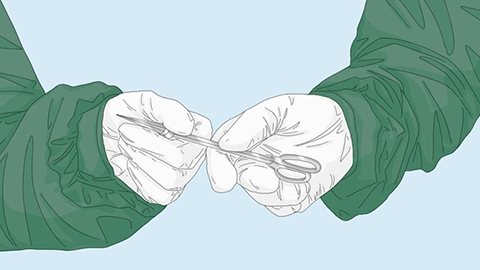
Severe pancreatitis is a life-threatening condition. Patients may present with hypocalcemia, hyperglycemia, and other symptoms. Critically ill patients may exhibit Cullen’s sign, Grey-Turner sign, hemodynamic instability, and multi-organ dysfunction. When patients respond well to medical therapy, clinical cure is possible. However, even with aggressive pharmacotherapy or surgical intervention, the disease may progress relentlessly in some cases—ultimately culminating in organ failure or even shock, with an extremely high mortality rate. Once the acute phase has passed, the immediate threat to life generally diminishes; however, due to profound impairment of pancreatic function, long-term quality of life is often significantly compromised.
Patients are advised to pay close attention to diet, maintain adequate hydration, and engage in regular physical activity to facilitate recovery. We hope this information proves helpful.


