


Is cirrhosis a serious disease?

Cirrhosis is a very serious liver disease. During cirrhosis, hepatic fibrosis becomes particularly severe. At this stage, even with aggressive treatment, liver function cannot be reversed. However, if proactive intervention is initiated early in the disease course to control its progression, patients’ survival can be significantly prolonged. So—is cirrhosis classified as a critical illness?
Is Cirrhosis a Critical Illness?
Cirrhosis is an extremely serious condition; advanced-stage cirrhosis is considered a major (critical) illness. With appropriate treatment and scientifically sound management, liver function may improve during the early stages of cirrhosis. Once cirrhosis progresses to the intermediate or late stages, however, the impairment of liver function becomes irreversible, and treatment shifts solely to disease control. As the liver’s compensatory capacity declines, various complications inevitably arise. Major complications of cirrhosis include ascites, upper gastrointestinal bleeding, hepatorenal syndrome, and hepatic encephalopathy—all of which pose life-threatening risks to patients. Therefore, individuals with liver disease should seek prompt medical treatment. Once the condition deteriorates, it may become uncontrollable.
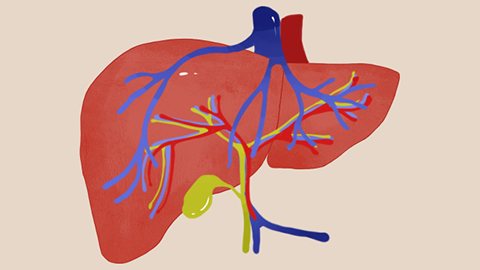
Cirrhosis is commonly caused by factors such as chronic alcohol abuse and chronic viral hepatitis, posing substantial threats to patients’ health and longevity—thus demanding urgent attention. Strict abstinence from alcohol and active treatment of underlying conditions like chronic hepatitis are essential. Patients should avoid medications known to be hepatotoxic and undergo regular hospital-based assessments—including liver function tests and abdominal imaging. Any abnormalities in liver function or signs of complications must be addressed promptly to prevent severe consequences. When cirrhosis advances to the decompensated phase, a cascade of serious clinical complications may occur—such as massive ascites, jaundice, hyperbilirubinemia, gastrointestinal hemorrhage, and even hepatocellular carcinoma.

Patients are advised to maintain regular physical exercise to bolster their immune system and thereby slow the progression of cirrhosis. We hope this information proves helpful to you.


