


Nursing Diagnoses and Interventions for Coronary Heart Disease

Today, frequent late-night work and study have significantly harmed people’s health, weakened their immune systems, and disrupted both endocrine and exocrine functions. Excessive workloads place undue stress on the heart, commonly leading to coronary artery disease (CAD). So, what are the nursing diagnoses and interventions for CAD?
Nursing Diagnoses and Interventions for Coronary Artery Disease
This condition can be diagnosed through blood tests, electrocardiography (ECG), and echocardiography. Under a physician’s guidance, antiplatelet medications are typically prescribed to improve outcomes. CAD primarily results from narrowing of the coronary arteries; habitual smoking further increases the risk of developing this disease. Early symptoms are often subtle or nonspecific, and ECG examination helps detect cardiac abnormalities.
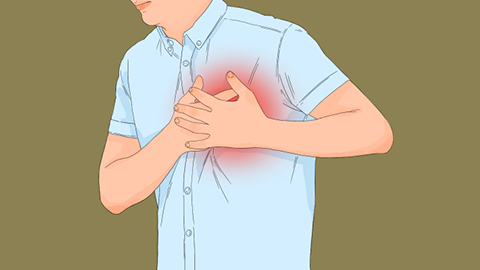
Patients with CAD should modify their lifestyle and daily habits. Smokers and drinkers must quit smoking and alcohol consumption as soon as possible. Overweight or obese individuals should adopt healthy, evidence-based weight-loss strategies to achieve and maintain an appropriate body weight—thereby reducing disease risk associated with poor lifestyle habits. Patients should also engage in moderate physical activity to enhance immunity, avoiding strenuous or high-intensity exercise.

Patients are strongly advised to avoid smoking and alcohol entirely and to consume a nutritionally balanced diet. They should also avoid overeating or binge eating. We hope this information is helpful to you.


