


How to Relieve Nausea in Early Pregnancy

Many pregnant women experience gastrointestinal discomfort during early pregnancy, such as nausea, vomiting, and loss of appetite. Some women with heightened sensory sensitivity may feel nauseous or vomit upon smelling certain foods or unpleasant odors. In severe cases, this can impair nutritional intake and jeopardize fetal growth and development. So, how can early-pregnancy nausea be alleviated?
How to Alleviate Early-Pregnancy Nausea
Oral vitamin B6 supplementation or consuming light, bland meals may help relieve nausea in early pregnancy, though effectiveness varies among individuals. If nausea and vomiting become severe during early pregnancy, prompt medical evaluation—including a routine urinalysis—is recommended. Elevated urinary ketones may indicate hyperemesis gravidarum, necessitating hospital admission for intravenous fluid therapy. Fasting followed by gradual reintroduction of oral fluids may also help improve symptoms of hyperemesis gravidarum. Additionally, nausea and vomiting in early pregnancy typically resolve spontaneously after 12 weeks’ gestation.
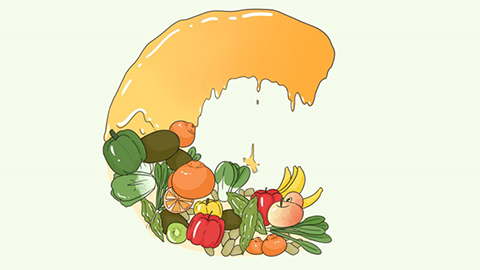
Early-pregnancy nausea is a normal physiological response triggered by hormonal fluctuations during pregnancy. Management should primarily focus on dietary and lifestyle modifications. Pregnant women should avoid exposure to cooking fumes and opt for light, easily digestible meals. They should refrain from consuming greasy or fried foods—including deep-fried items and animal fats. Mildly appetizing, digestion-promoting fruits—such as cherry tomatoes, cherries, strawberries, and kiwifruit—may be consumed in moderation. Maintaining healthy daily habits is also essential: ensuring adequate rest, avoiding late-night activities, and preventing physical exhaustion.
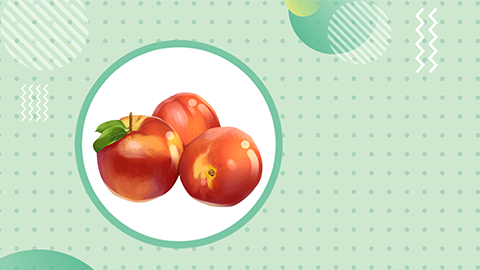
Pregnant women are advised to consume more light, non-greasy vegetables and limit intake of fatty foods—especially meats—to minimize gastrointestinal irritation and associated nausea. We hope this information is helpful to you.


