


What causes dry heaving?

Dry heaving is most commonly caused by improper posture during eating. It may also result from excessive anxiety while eating, leading to indigestion. However, many aspects of dry heaving remain poorly understood. So, what exactly causes dry heaving?
What Causes Dry Heaving?
Dry heaving may be triggered by irritation of the sensitive nerves in the pharynx or gastric mucosa. If dry heaving is associated with severe coughing or symptoms such as throat dryness, itching, or pain, it is generally considered a reflexive response due to heightened pharyngeal nerve sensitivity induced by inflammation. During antiemetic treatment, if prominent clinical symptoms—such as abdominal distension, nausea, or belching—are present, impaired gastric motility should be suspected. Conditions like gastritis or peptic ulcer disease can irritate the gastric mucosa during active phases, and their clinical manifestations are mediated via neural pathways. Additionally, women in early pregnancy often experience such symptoms—termed “morning sickness”—due to hormonal fluctuations that affect gastrointestinal function.
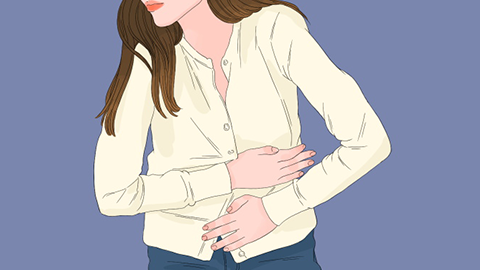
For unexplained dry heaving, potential underlying causes—including pharyngitis, gastroesophageal reflux disease (GERD), and gastrointestinal neuromuscular dysfunction—must be ruled out. Notably, excessive anxiety or psychological stress may provoke somatic sensory abnormalities, including dry heaving. When stressors are present, patients may exhibit dry heaving; however, these symptoms typically subside significantly once attention is diverted. Therefore, chronic pharyngitis should be carefully excluded in cases of persistent dry heaving. If symptoms persist over an extended period, upper gastrointestinal endoscopy may be warranted to assess for gastritis or peptic ulcer disease.

Patients are advised to relax and avoid focusing excessively on the sensation of dry heaving. Adequate hydration and sufficient rest are also recommended to help alleviate symptoms. We hope this information proves helpful.


