


What causes a dry, nauseous sensation in the throat with an urge to vomit?

Many people suffer from gastrointestinal disorders, which can cause nausea and vomiting. Symptoms may worsen during meals—especially after consuming greasy foods—and may even lead to sudden difficulty swallowing normally. Therefore, such symptoms warrant attention. If these issues occur frequently, individuals should seek timely medical evaluation at a hospital, where an endoscopic examination (gastroscopy) can help assess the underlying condition. So, what causes the sensation of dry heaving and nausea originating from the throat?
What Causes Dry Heaving and Nausea from the Throat?
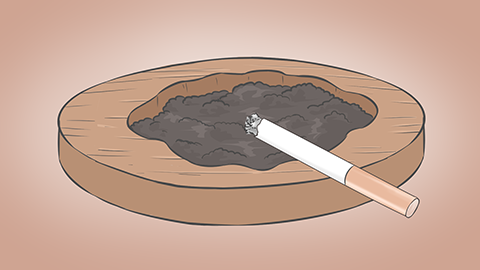
Dry heaving and the urge to vomit are commonly caused by chronic pharyngeal inflammation. Patients may exhibit chronic congestion and swelling of the pharyngeal mucosa, as well as excessive dryness and mucus adhesion. These changes can result in varying degrees of throat dryness, pain, burning sensation, or a foreign-body sensation; nausea and dry heaving may also occur. Chronic inflammatory conditions of the pharynx are often associated with factors such as vocal overuse, prolonged exposure to air pollution, heavy smoking and alcohol consumption, and frequent intake of spicy or irritating foods. Some patients may develop concurrent pharyngeal cysts, polyps, or papillomas, necessitating further detailed evaluation.
When experiencing dry heaving and nausea, patients may have pharyngitis. During pharyngeal inflammation, mucosal hyperemia, edema, or sterile inflammation increases the sensitivity of the pharyngeal mucosa. Symptoms may intensify at night due to heightened sympathetic nervous system activity, triggering dry coughing and worsening discomfort. In cases of hepatitis affecting the liver meridian, patients may experience throat itching. Additionally, if local capillaries become dilated, severe coughing may occasionally cause minimal hemoptysis. Treatment with appropriate oral medications—under a physician’s guidance—is recommended.
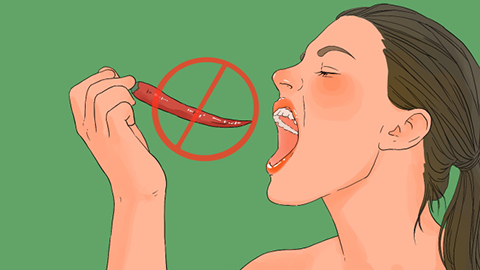
Patients are advised to avoid spicy and irritating foods and to maintain emotional relaxation. We hope this information is helpful to you.


