


What causes uncontrollable nosebleeds?

Once epistaxis (nosebleed) occurs, many people instinctively reach for toilet paper or tissue. In fact, this approach is incorrect: not only does it fail to stop the bleeding, but it may also exacerbate the original nosebleed.
You should understand that the human body possesses a natural hemostatic (clotting) mechanism. In individuals with normal coagulation function, a blood clot typically forms within 2–3 minutes. Therefore, using tissue inappropriately can actually cause further harm. So—why might epistaxis persist despite attempts to stop it?
Why Does Epistaxis Persist?
Persistent epistaxis is often caused by nasal dryness, leading to bleeding from the anterior nasal arteries or small arterioles. Such cases usually involve relatively heavy bleeding, and simple cotton ball compression proves ineffective. Under nasal endoscopy, arterial bleeding can be visualized—commonly at the anterior-inferior portion of the nasal septum or elsewhere in the nasal cavity. Under local anesthesia, bipolar electrocautery can be used to achieve hemostasis.
Alternatively, persistent epistaxis may stem from systemic disease—for example, hypertension. Patients with marked blood pressure fluctuations often experience posterior nasal bleeding. This type of bleeding tends to be profuse and may even manifest as hemoptysis (coughing up blood) due to blood draining into the oropharynx.
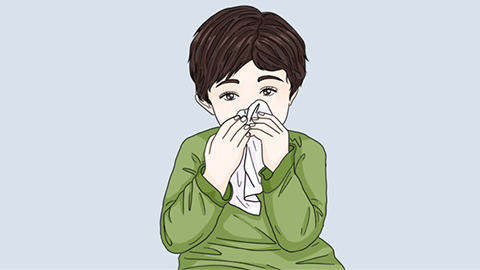
Persistent epistaxis may also result from inappropriate first-aid measures. If patients attempt self-treatment following an episode of epistaxis, improper technique may lead to incomplete hemostasis. The location of the bleeding site matters significantly: if the source lies in a small nasal artery, recurrent bleeding is likely. Additionally, underlying patient pathology—such as a coagulopathy or other systemic disorder affecting hemostasis—can cause uncontrolled epistaxis after onset.
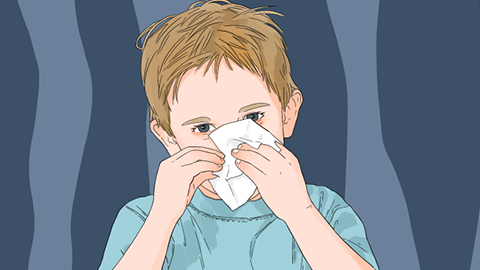
In fact, epistaxis has numerous potential causes. The above discussion primarily addresses physiologic or traumatic etiologies. However, when epistaxis arises secondary to underlying disease, prompt diagnosis and treatment of the primary condition are essential. Epistaxis should never be dismissed as trivial; it warrants careful attention from both patients and clinicians. We hope this information proves helpful.


