


What medication should be taken for a cold in summer?

Due to the unstable summer weather—characterized by sudden fluctuations between hot and cold—many people fail to adequately protect themselves from the cold, leading to common colds. So, what medications should one take for a summer cold?
What Medications Should Be Taken for a Summer Cold?
For a “wind-heat” type cold (a TCM diagnosis), medications such as Bupleurum Granules, Minor Bupleurum Decoction (Xiao Chai Hu Tang), and Vitamin C & Honeysuckle Tablets may be used. Additionally, Isatis Root (Ban Lan Gen) and Shuang Huang Lian preparations are commonly employed to treat colds. From a Western medical perspective, colds are categorized as either bacterial or viral. Oseltamivir is indicated for viral colds, whereas bacterial colds may be treated with antibiotics such as levofloxacin, roxithromycin, azithromycin, cephalosporins, or penicillin.

Summer colds typically result from exposure to cold, rain, fatigue, or infection by viruses or bacteria. The primary clinical manifestations involve catarrhal symptoms of the nasal passages. Early symptoms may include dryness, itching, or a burning sensation in the pharynx, accompanied by nasal congestion, sneezing, and rhinorrhea. As the illness progresses, nasal discharge may become thicker, and patients may develop additional upper respiratory symptoms such as sore throat, lacrimation, diminished taste sensation, cough, hoarseness, and shortness of breath. Some individuals may experience low-grade fever, fatigue, chills, dizziness, or headache. Most cases resolve spontaneously within 5–7 days.
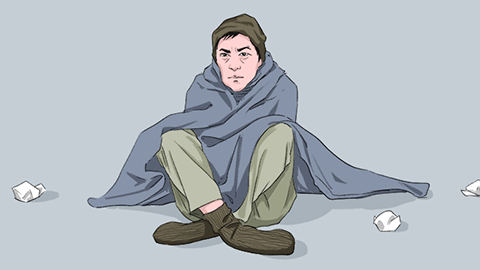
Maintain healthy daily habits, ensure adequate sleep, consume plenty of fresh fruits and vegetables, and take appropriate measures to stay warm—especially to prevent exacerbation of cold symptoms due to chilling. We hope this information proves helpful to you!


