


How to Properly Observe the “Xiao Yue Zi” (Post-Miscarriage Recovery Period) to Avoid Long-Term Health Issues

Improper care during the “mini-confinement” period (post-miscarriage or post-abortion recovery) can easily trigger various health conditions. So, how can one undergo mini-confinement without developing complications?
How to Undergo Mini-Confinement Without Developing Complications
Within the first 24 hours after the procedure, bed rest is strongly recommended. If you need to get up to use the restroom, sit up slowly and remain seated for at least 30 minutes before standing—otherwise, dizziness or fainting may occur. During the mini-confinement period, prioritize lying down over sitting, minimize bending at the waist, and engage in gentle leg exercises. Avoid exposure to cold: do not stand directly in drafty areas or cold air currents. Refrain from direct contact with cold water or icy objects. Maintaining personal hygiene to prevent infection is essential; however, if washing your hair or bathing is necessary, consider using a traditional postpartum herbal bath pack made from natural mountain herbs. Such baths help warm the uterus, dispel cold, relax muscles and tendons, and improve circulation—thereby helping to prevent and alleviate post-confinement ailments.
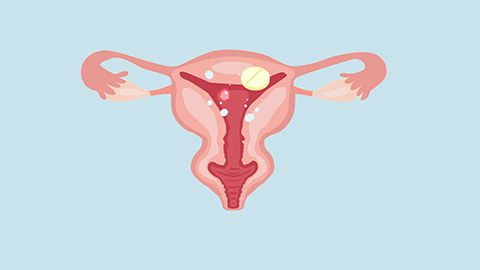
Inadequate care during the “mini-confinement” period may lead to conditions such as vaginitis, adnexitis, acute or chronic pelvic inflammatory disease, endometriosis, dysmenorrhea, cervicitis, cervical erosion, salpingitis, tubal obstruction, and infertility. During this time, it is crucial to enhance nutritional intake. Recommended foods include fish soup, pork rib soup, chicken soup, and black chicken soup. Maintain dietary diversity and balanced nutrition, paying attention to appropriate food combinations. Eat smaller, more frequent meals—and avoid cold-natured foods such as watermelon, winter melon, radish, and coix seed, which may exacerbate symptoms like heavy vaginal bleeding, prolonged bleeding duration, or abdominal pain.

Should any symptoms arise during the mini-confinement period, seek prompt medical evaluation at a hospital. Wishing you a comfortable and joyful recovery!


