What symptoms may occur in male infertility caused by cold semen?
Aug 24, 2022
Source: Cainiu Health

Dr. Li Mingchuan
Introduction
“Cold semen”–induced infertility refers to asthenozoospermia, one of the conditions causing male infertility. Its specific clinical manifestations include the following: Patients often experience fatigue, as well as difficulties with ejaculation, painful ejaculation, and hematospermia. They may also suffer from scrotal distension and pain, along with testicular distension and pain. Semen may appear abnormally viscous or gelatinous; in some cases, it may contain flake-like clumps. Notably, semen fails to liquefy within 60 minutes after ejaculation.
Many individuals undergoing fertility planning—especially those who have been trying to conceive for an extended period without success—may begin to suspect they suffer from “cold semen infertility.” What symptoms are associated with this condition?
What Symptoms Are Associated with Cold Semen Infertility?
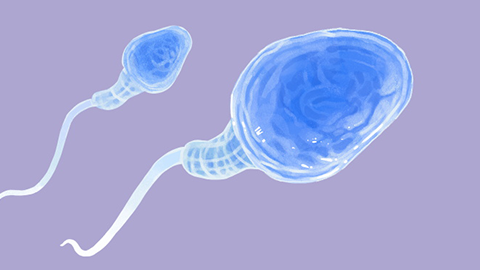
“Cold semen infertility” refers to asthenozoospermia (reduced sperm motility), one of the leading causes of male infertility. Clinical manifestations include persistent fatigue, difficulty ejaculating, painful ejaculation, and hematospermia (blood in semen). Patients may experience swelling or pain in the scrotum and testicles. Semen may appear abnormally viscous or gelatinous; in some cases, it forms flaky, clump-like aggregates. Notably, semen fails to liquefy within 60 minutes after ejaculation.
Several treatment options exist for asthenozoospermia. Clinically, commonly prescribed medications include L-carnitine oral solution, Wuzi Yanzong Wan, Qilin Wan, Shengjing Baipian, zinc gluconate tablets, and vitamin E soft capsules. Begin taking these medications as directed; after one month, return to the hospital for a follow-up semen analysis to assess improvement. Consulting a Traditional Chinese Medicine (TCM) specialist is also advisable—individualized herbal therapy may be beneficial. If conservative treatments prove ineffective, assisted reproductive technologies such as intrauterine insemination (IUI) or in vitro fertilization (IVF) may be considered.
Dietary recommendations for asthenozoospermia include moderate consumption of seafood, nuts (e.g., walnuts, peanuts, pumpkin seeds), and fruits such as kiwifruit, bananas, and pears. After several weeks of treatment, lean beef may be included in moderation. Overall, meals should be light, low in fat, and rich in high-quality protein.