


What does scoliosis mean?

A straight, upright posture necessarily reflects a healthy spine; however, prolonged poor posture can lead to spinal curvature—specifically, scoliosis. But what exactly is scoliosis?
What Is Scoliosis?
Scoliosis is a three-dimensional spinal deformity characterized by lateral deviation of one or more spinal segments from the midline in the coronal plane, commonly accompanied by vertebral rotation. It may also involve abnormal curvatures in the sagittal plane—including increased or decreased thoracic kyphosis and/or lumbar lordosis—as well as rib cage and pelvic asymmetry, rotational deformities, and abnormalities of the paraspinal ligaments and muscles. Scoliosis is both a clinical symptom and a radiographic finding. Its etiology is diverse; idiopathic scoliosis is the most common type, accounting for approximately 80% of all cases, though its precise cause remains unknown.
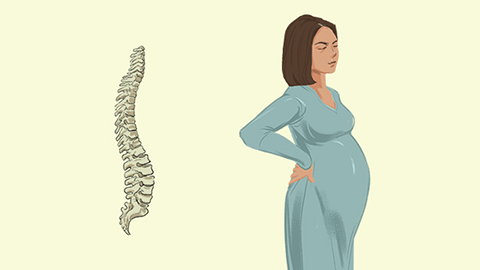
It predominantly affects adolescents—especially females—and typically begins before puberty, progressing rapidly throughout adolescence. Progression often slows or halts in adulthood. Because the underlying cause of most scoliosis cases remains unclear, affected individuals may sometimes present with associated neurological, endocrine, or metabolic/nutritional abnormalities.
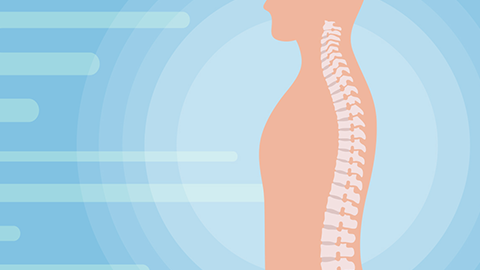
The Scoliosis Research Society defines scoliosis as a Cobb angle greater than 10 degrees measured on coronal-plane radiographs. Nonstructural (or functional) scoliosis includes cases resulting from postural imbalance, hysteria, or nerve root irritation—for example, scoliosis induced by herniated disc material or tumor compressing a nerve root. Other causes include leg-length discrepancy or hip joint contracture secondary to certain inflammatory conditions, leading to compensatory scoliosis. We hope this explanation has been helpful!


