


How is adnexitis treated?
Aug 24, 2022
Source: Cainiu Health

Dr. Jiang Weimin
Introduction
The general treatment principle for adnexitis involves symptomatic management with anti-inflammatory medications, selected according to the clinical situation. If conservative treatment fails—or if hydrosalpinx develops and impairs fertility—surgical intervention may be considered. Specific pharmacological treatment includes aggressive administration of broad-spectrum antibiotics to which the causative pathogen is sensitive during the acute phase of adnexitis.
Every woman is likely to encounter gynecological disorders at some point. These disorders encompass a wide range of conditions—so how is salpingo-oophoritis (adnexitis) treated?
How Is Salpingo-Oophoritis Treated?
The general treatment principle for salpingo-oophoritis involves judicious use of anti-inflammatory medications for symptomatic management. If conservative treatment fails—or if hydrosalpinx develops and compromises fertility—surgical intervention may be considered. Specific pharmacological strategies include aggressive antibiotic therapy during the acute phase, using broad-spectrum antibiotics to which the causative pathogens are sensitive. Surgical intervention may be indicated in cases of abscess formation or large pelvic masses.
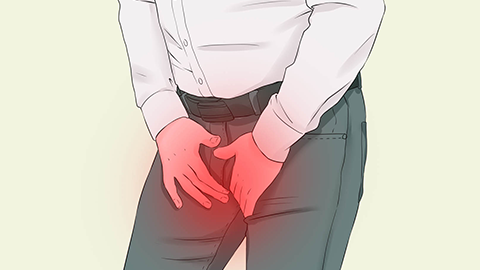
Chronic pelvic inflammatory disease (PID), when persistent, often leads to hydrosalpinx. In such cases, traditional Chinese medicine (TCM) therapies aimed at promoting blood circulation and resolving stasis may be employed, alongside physical therapies—including laser, microwave, and iontophoresis. For hydrosalpinx significantly impairing reproductive function, surgical management should be considered. In daily life, avoid spicy, raw, cold, or otherwise irritating foods; instead, favor light, high-fiber options such as vegetables, fruits, whole grains, whole-wheat flour, oats, and other nutritious staples. Ensure adequate intake of high-quality, protein-rich foods—including lean meats, milk, and eggs.
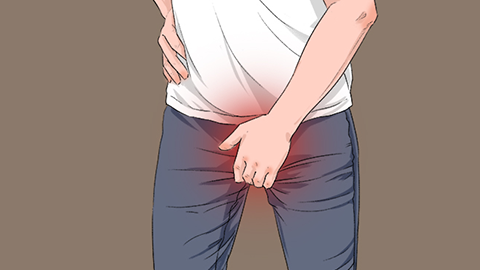
Maintain good personal and menstrual hygiene—and strictly avoid sexual intercourse during menstruation. Around mid-cycle, immune resistance tends to be lower, increasing susceptibility to infection. Minimize unnecessary gynecological examinations, engage regularly in physical exercise, and strengthen overall immunity. We hope this information proves helpful!






