


What Foods Are Beneficial for Wind-Heat Cough?
Aug 24, 2022
Source: Cainiu Health

Dr. Guo Xiheng
Introduction
Wind-Heat Cough is a syndrome name in Traditional Chinese Medicine (TCM) and one of the primary patterns of externally-contracted cough. It arises when the body is invaded by wind-heat pathogenic factors, leading to impaired lung function—specifically, failure of the lung to maintain its normal clear and descending function—resulting in coughing. Clinically, it manifests as cough with little or no sputum, or with yellow, thick, sticky phlegm; fever; sweating; aversion to wind; dry mouth; sore throat; and yellow nasal discharge. Treatment focuses on dispelling wind, clearing heat, diffusing the lung, and stopping cough. Commonly used formulas include Yin Qiao San (Honeysuckle and Forsythia Powder) and Sang Ju Yin (Mulberry Leaf and Chrysanthemum Decoction).
In daily life, many people experience wind-heat cough to varying degrees. For mild cases, dietary therapy can be effective. So, what foods are recommended for wind-heat cough?
What Foods Are Recommended for Wind-Heat Cough?
Fresh Houttuynia cordata (fish mint) can be consumed raw in salads and paired with cold dishes, offering heat-clearing, detoxifying, and phlegm-resolving effects. A congee made from fresh reed rhizome (Phragmites), bamboo shavings (Bambusa), ginger, and glutinous rice helps clear heat, resolve phlegm, and promote fluid production. Depending on the season, fruits such as pears, monk fruit, loquats, figs, and water chestnuts may also be selected—they help clear lung heat and resolve phlegm to relieve cough. Diet for wind-heat cough should be light and bland; spicy or greasy foods should be avoided, as they may exacerbate internal heat and fire. Common heat-aggravating foods include deep-fried and grilled items, spicy-hot hotpot, and spicy crayfish—these may increase phlegm production and worsen coughing, thereby diminishing the efficacy of dietary therapy.
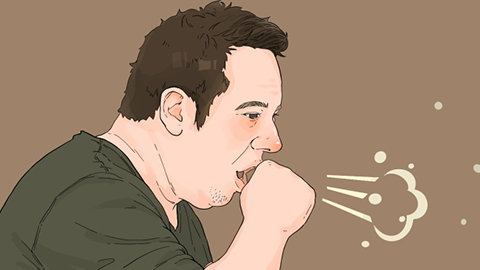
Wind-heat cough is a syndrome name in Traditional Chinese Medicine (TCM) and one of the primary patterns of externally-contracted cough. It arises when the body is invaded by wind-heat pathogenic factors, impairing the lung’s function of clearing and descending. Clinically, it manifests as coughing—with little or no sputum, or with yellow, thick, sticky phlegm—along with fever, sweating, aversion to wind, dry mouth, sore throat, and yellow nasal discharge. Treatment focuses on dispelling wind, clearing heat, and promoting lung function to stop coughing. Commonly used formulas include Yin Qiao San (Honeysuckle and Forsythia Powder) and Sang Ju Yin (Mulberry Leaf and Chrysanthemum Decoction).

Wind-heat cough typically occurs in individuals with an inherently excessive internal fire or those who contract external wind-heat pathogens. The pathogen initially invades the lungs, impairing their clearing and descending functions. Heat then transforms body fluids into phlegm, resulting in coughing and yellow, thick, sticky sputum. We hope this information is helpful to you!



