


How effective is the treatment for male immune infertility?
Aug 24, 2022
Source: Cainiu Health
Dr. Li Mingchuan
Introduction
On the basis of conventional Western pharmacotherapy, immune infertility can also be treated adjunctively with traditional Chinese patent medicines that nourish yin and tonify the kidneys. Jingkang demonstrates excellent therapeutic efficacy for immune infertility. Its principal ingredients—Astragalus membranaceus (Huangqi), Salvia miltiorrhiza (Danshen), Rehmannia glutinosa (Dihuang), Polygonatum sibiricum (Huangjing), and Dioscorea opposita (Shanyao)—work synergistically to nourish kidney yin, enrich essence and nourish blood, invigorate blood circulation, and resolve stasis. Notably, Dioscorea opposita (Shanyao) additionally tonifies spleen yin and replenishes essence to nourish the marrow.
The treatment process for male immune infertility is relatively prolonged, and its etiology is multifactorial. So, how effective is the treatment for male immune infertility?
How effective is the treatment for male immune infertility?
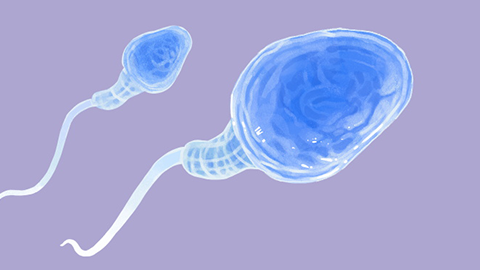
Immune infertility results from autoimmune dysfunction, leading to the production of anti-sperm antibodies within the body. Treatment primarily focuses on modulating the immune system and administering anti-inflammatory therapy. Generally, couples should avoid unprotected intercourse—either by abstaining or using condoms—to prevent contact between the male’s semen and the female’s bodily fluids, thereby helping reduce antibody titers. Sperm antibody levels should be retested after approximately three months; if antibodies remain positive, prednisone therapy may be recommended. Corticosteroids help suppress inflammatory and immune responses, and in most cases, this approach improves the chances of conception.
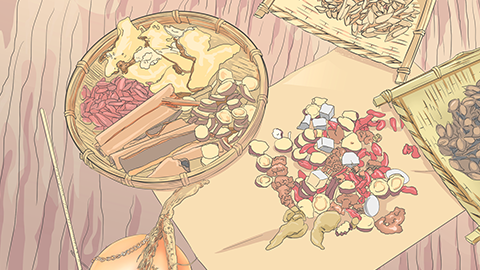
In addition to conventional Western medications, traditional Chinese medicine (TCM) formulations—such as those that nourish yin and tonify the kidneys—can serve as adjunctive therapy for immune infertility. Jingkang (a proprietary TCM formula) demonstrates notable efficacy in treating immune infertility. Its principal ingredients—Astragalus membranaceus (Huang Qi), Salvia miltiorrhiza (Dan Shen), Rehmannia glutinosa (Di Huang), Polygonatum sibiricum (Huang Jing), and Dioscorea opposita (Shan Yao)—work synergistically to nourish kidney yin, enrich essence and blood, invigorate blood circulation, and resolve stasis. Shan Yao further strengthens spleen yin and replenishes essence and marrow.
If conservative treatments prove ineffective, assisted reproductive technologies (ART)—such as in vitro fertilization (IVF) or intracytoplasmic sperm injection (ICSI)—may be considered, provided both partners are medically suitable. We hope this information is helpful. Wishing you good health and happiness!


