


What medications are effective for bile reflux gastritis?
Aug 24, 2022
Source: Cainiu Health

Dr. Zhao Haiming
Introduction
Bile reflux gastritis is a comprehensive motility disorder involving both the biliary and gastrointestinal systems. Its symptoms are nonspecific and primarily include abdominal pain, dyspepsia, and bile-stained vomiting. Individuals with normal gastrointestinal function may also exhibit symptoms of bile reflux gastritis when experiencing gastrointestinal dysfunction. Due to impaired gastric emptying, vomiting often occurs at night or during the early-morning hours.
Bile reflux gastritis is a relatively common gastrointestinal disorder that can impair nutrient absorption and cause symptoms such as vomiting and belching.
What medications are most effective for bile reflux gastritis?
For bile reflux gastritis, oral administration of omeprazole, colloidal bismuth pectin, magnesium aluminum chewable tablets, and domperidone is recommended. These medications protect the gastric mucosa and enhance gastric motility, yielding excellent therapeutic efficacy. Additionally, multienzyme tablets and metronidazole tablets also demonstrate significant clinical effectiveness. Patients are advised to replenish saline solutions regularly and consume bland, easily digestible foods—such as thin porridge, noodles, or soda crackers—and to drink yogurt frequently. Moderate physical activity is also encouraged to boost immunity.
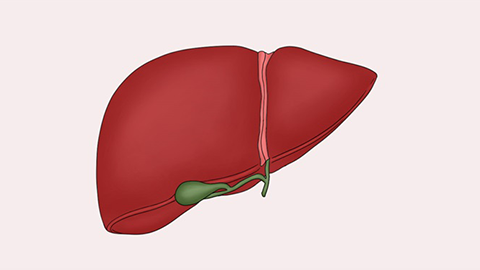
Bile reflux gastritis results from integrated motility disorders involving both the biliary tract and the gastrointestinal system. Its symptoms are nonspecific and primarily include abdominal pain, dyspepsia, and bile-stained vomiting. Even individuals with normal gastrointestinal function may exhibit symptoms of bile reflux gastritis during episodes of gastrointestinal dysmotility. Due to delayed gastric emptying, vomiting often occurs at night or in the early morning hours. Vomitus may contain undigested food and occasionally small amounts of blood; patients frequently fear eating because it exacerbates their symptoms. Reduced food intake may lead to complications such as anemia, weight loss, and malnutrition.
Bile reflux gastritis may also be associated with hepatobiliary diseases; therefore, prompt evaluation by a physician—including appropriate diagnostic testing—is essential to identify underlying causes and initiate targeted treatment. We hope this information is helpful. Wishing you good health and happiness!





