


Contact dermatitis belongs to which type of hypersensitivity reaction?

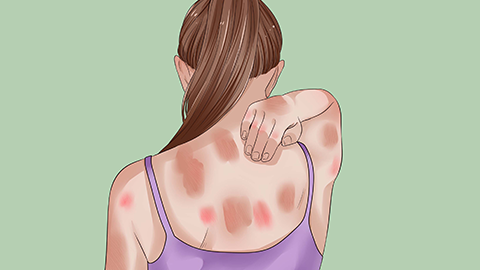
Contact dermatitis is an inflammatory reaction of the skin and mucous membranes following exposure to external substances. In modern society, with industrial development, new chemical agents continue to emerge, leading to an increasing incidence of contact dermatitis. This condition can cause significant skin discomfort and severely impair daily life. Therefore, prevention is more important than treatment. So, to which type of hypersensitivity reaction does contact dermatitis belong?
To Which Type of Hypersensitivity Reaction Does Contact Dermatitis Belong?
Contact dermatitis is a Type IV hypersensitivity reaction. It is primarily mediated by T lymphocytes and is generally unrelated to serum antibodies. Upon exposure to a specific antigen or hapten, T cells are stimulated to differentiate and generate antigen-specific sensitized lymphocytes. When the same antigen re-contacts the skin, it may trigger activation of these lymphocytes, resulting in the release of certain lymphokines and secondary lysosomal formation, ultimately causing tissue damage.

For individuals with contact dermatitis, maintaining a light, bland diet is essential. Spicy, irritating foods, fried foods, and seafood should be avoided; instead, fresh vegetables and fruits should be consumed regularly. These foods are rich in vitamins, which help enhance skin resistance and prevent dermatitis. Skin dryness can also compromise its protective capacity.
In daily life, patients should maintain a positive mental outlook, actively cooperate with physicians during treatment, take prescribed medications on time and in the correct dosage, and pay close attention to routine skin care—thereby facilitating prompt improvement of their condition. We hope this response has been helpful to you.


