


What is the normal blood pressure range?

Living standards have improved for most people, yet the risk of developing diseases has also risen significantly. Among the most common health conditions are the “three highs”: elevated blood lipids (hyperlipidemia), high blood glucose (hyperglycemia), and high blood pressure (hypertension). So, what constitutes a normal blood pressure reading?
What Is a Normal Blood Pressure Reading?
Generally speaking, for young adults, a systolic (upper) blood pressure between 90 and 140 mmHg is considered normal. A difference of up to 30–40 mmHg between systolic and diastolic (lower) pressures is also within the normal range. Most individuals experience various discomforts when their blood pressure fluctuates—either rising or falling—but some may exhibit only subtle or no noticeable symptoms.

If you’ve already been diagnosed with hypertension and begin experiencing dizziness or nausea, seek immediate medical attention. Uncontrolled high blood pressure can lead to stroke and other serious complications—never ignore changes in your physical condition. Common contributing factors to elevated blood pressure include poor sleep quality, significant emotional fluctuations, and frequent consumption of greasy or fatty foods.
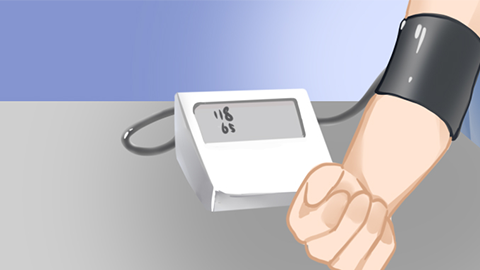
Elevated blood pressure does not automatically equate to a diagnosis of hypertension; rather, hypertension typically develops gradually over time due to cumulative effects. Both abnormally low and high blood pressure are undesirable, and self-regulation is essential. How should one manage high blood pressure? First, patients should avoid greasy foods and limit intake of salt and other seasonings. In addition to dietary adjustments, regular physical activity and adequate hydration are crucial. Relying solely on antihypertensive medications is not advisable, as drugs often carry side effects. We hope this article has been helpful to you. Wishing you a joyful life and optimal health!


