


Normal Range of Pelvic Fluid
Aug 24, 2022
Source: Cainiu Health

Dr. Lv Aiming
Introduction
Pelvic effusion is categorized into physiological and pathological types. The normal range for physiological pelvic effusion is 1.5–2.0 cm in depth. In some cases, a relatively larger volume of pelvic effusion may simply reflect individual variation. Additionally, after ovulation, some women develop relatively large physiological ovarian cysts; following cyst rupture or fluid release, an increase in the volume of pelvic effusion may occur.
In daily life, pelvic fluid accumulation is a common finding among married women and mothers. Many women are troubled by this condition, which often persists chronically. So, what is the normal range for pelvic fluid accumulation?
Normal Range for Pelvic Fluid Accumulation
Pelvic fluid accumulation is categorized into physiological and pathological types. The normal volume of physiological pelvic fluid accumulation measures between 1.5 cm and 2.0 cm in depth. In some cases, slightly increased fluid volume may simply reflect individual variation. Additionally, larger physiological ovarian cysts that develop post-ovulation may lead to increased pelvic fluid accumulation following cyst rupture or fluid release.
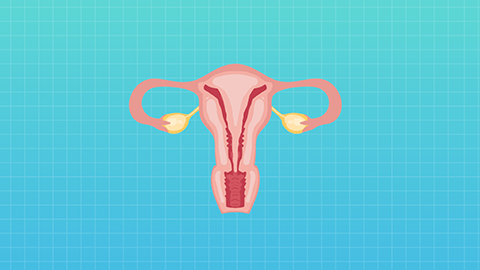
When pelvic fluid accumulation is notably increased, it is essential first to rule out underlying conditions such as pelvic inflammatory disease or pelvic tumors. A pelvic color Doppler ultrasound examination is recommended. Clinicians should also assess for tenderness over the uterus and adnexal regions. If an underlying pathology is identified, appropriate treatment is required. However, isolated, asymptomatic physiological pelvic fluid accumulation typically requires no intervention.
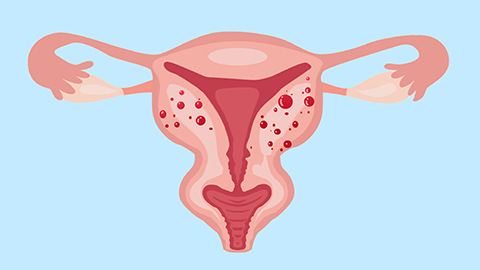
Pathological pelvic fluid accumulation is commonly caused by gynecological inflammation; therefore, maintaining good personal hygiene and adopting proper perineal cleaning habits are crucial to prevent infection. Pelvic fluid accumulation exceeding 2.0 cm in depth—especially when accompanied by symptoms such as lower abdominal heaviness or low back pain—is considered pathological. We hope this information is helpful to you!



