


How long does chilblains usually take to heal spontaneously?

Many people are prone to chilblains during winter, and once affected, they may experience recurrent chilblains each year. So, how long does it typically take for chilblains to resolve spontaneously?
How long does it typically take for chilblains to resolve spontaneously?
Chilblains usually begin to improve within several days after topical treatment. They result from vasoconstriction of the skin’s blood vessels due to prolonged exposure to cold environments—most commonly affecting the fingers and toes. Symptoms include itching, swelling, and intense pruritus upon rewarming. For management, topical vitamin E ointment may be applied, and maintaining adequate warmth is essential to prevent further cold injury.
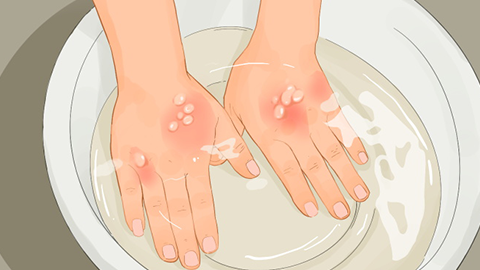
To better prevent chilblains, it is important to keep hands and feet warm throughout winter and avoid cold exposure. Additionally, incorporating foods rich in vitamin E into your daily diet can be beneficial. If feasible, soaking hands and feet nightly in a mugwort (Artemisia vulgaris) decoction may help enhance peripheral circulation in the fingers and toes, thereby offering some preventive benefit. Should chilblains progress to ulceration or open sores, topical antimicrobial and anti-inflammatory agents may be required.
Chilblains are a common winter skin condition—especially among individuals with prior cold injuries—so diligent protection against cold exposure is crucial. All exposed skin surfaces must be adequately insulated and warmed. We hope this information proves helpful!


