


What foods should be avoided with mouth ulcers?

Recently, my appetite has been poor—I’ve had little desire to eat. Over the past two days, I noticed a small blister inside my mouth. After consulting a doctor, I was diagnosed with oral ulcers. I’d like to know which foods to avoid—what are the dietary restrictions for oral ulcers?
What Foods Should Be Avoided with Oral Ulcers?
Dietary restrictions for individuals with oral ulcers include: 1. Avoiding pungent seasonings such as chili peppers, vinegar, ginger, garlic, scallions, and star anise. 2. Avoiding coarse, hard, or crunchy foods—for example, fried pork ribs, fried chicken legs, and nuts. 3. Avoiding chewing gum, chocolate, tobacco, alcohol, coffee, hot foods, spicy barbecued dishes, and deep-fried items. 4. Avoiding crumbly foods such as bread crumbs, corn chips, or potato chips. 5. Avoiding hot foods.
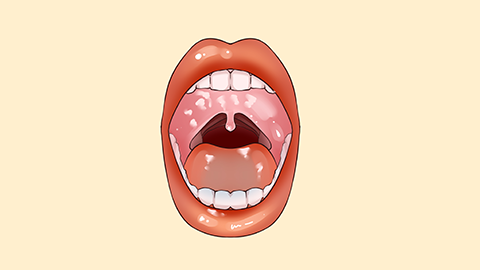
Oral ulcers may lead to halitosis (bad breath), chronic pharyngitis, constipation, headache, dizziness, and even lymph node enlargement. The primary causes of oral ulcers are closely linked to genetic factors; they may also result from emotional stress or anxiety. However, a decline in immune function cannot be ruled out as a contributing factor.
Oral ulcers can be managed through lifestyle adjustments—for instance, maintaining regular bowel movements and cultivating good oral hygiene habits. Keep your mouth clean and avoid trauma to oral tissues. Use a soft-bristled toothbrush to minimize mucosal injury. Try not to feel overly anxious or stressed; ensure adequate, high-quality sleep and avoid staying up late—these measures help prevent oral ulcers. We hope this information is helpful to you!


