


Differential Diagnosis between Hepatic Hemangioma and Hepatocellular Carcinoma

Hepatocellular carcinoma (HCC) and hepatic hemangioma are two entirely distinct diseases. Due to their completely different etiologies, neither hepatic hemangioma nor early-stage HCC typically presents with any noticeable symptoms. However, as the tumor gradually enlarges, the hemangioma may begin to exert compressive effects, leading to space-occupying lesions in the liver. So, how can hepatic hemangioma be differentiated from HCC?
Differentiating Hepatic Hemangioma from Hepatocellular Carcinoma
Hepatic hemangioma is a benign tumor closely associated with blood vessels. In most cases, it causes no obvious clinical symptoms and does not threaten the patient’s life. In contrast, hepatocellular carcinoma is a malignant tumor often linked to risk factors such as chronic alcohol consumption, viral hepatitis, and other unhealthy lifestyle habits. Although early-stage HCC may be detected promptly, recurrence and metastasis remain possible.
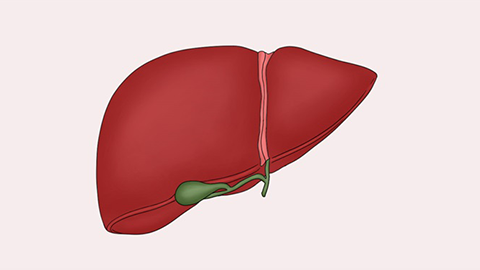
Most hepatic hemangiomas are asymptomatic. Surgical intervention is generally indicated only if rupture or hemorrhage occurs. Outcomes vary depending on the case, but hepatic hemangioma itself does not affect life expectancy. Hepatic hemangioma is a relatively common benign liver lesion, requiring regular monitoring.

Hepatic hemangiomas contain vascular sinusoids formed by abnormal blood vessel growth and can be effectively treated via interventional approaches. Small hemangiomas usually require no treatment—patients need only undergo periodic surveillance until the lesion grows larger than 5 cm, at which point intervention may be considered. While trauma or spontaneous rupture may lead to bleeding, hemangiomas do not metastasize nor cause systemic symptoms such as fatigue or physical debilitation. We hope this information proves helpful to you.


