


What Are the Symptoms of Intermediate to Advanced Hepatocellular Carcinoma?

Prolonged exposure to harmful factors—such as excessive alcohol consumption, viral infections (e.g., hepatitis B or C), ingestion of spoiled or carcinogenic foods—can significantly increase the risk of liver cancer. Aflatoxin, for instance, is a highly hepatotoxic substance. High-temperature cooking methods like grilling and deep-frying not only degrade essential nutrients but also generate carcinogens, including benzo[a]pyrene, polycyclic aromatic hydrocarbons (PAHs), and acrylamide. So, what symptoms are associated with intermediate- to advanced-stage liver cancer?
Symptoms of Intermediate- to Advanced-Stage Liver Cancer
Common symptoms in patients with intermediate- to advanced-stage liver cancer include loss of appetite, abdominal fullness or discomfort, and pain in the upper abdomen. Physical examination may reveal an upper abdominal mass. Some patients may develop jaundice, ascites, weight loss, or anorexia. In cases of distant metastasis, symptoms specific to the affected site may appear—for example, cough and sputum production (lung metastasis) or bone pain (bone metastasis).
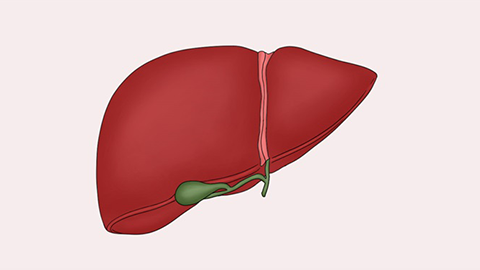
Treatment of liver cancer depends on multiple factors, including tumor size and location, liver function status, and the patient’s overall physical condition; therefore, a comprehensive, multimodal treatment approach is essential. Surgical resection remains the primary treatment option for eligible patients. For those who are not surgical candidates—due to contraindications, personal preference, or small tumor size—alternative options include ultrasound-guided percutaneous ethanol injection (PEI) or radiofrequency ablation (RFA).

If surgery, PEI, or RFA are no longer feasible, other therapeutic options include transarterial embolization (TAE), transarterial chemoembolization (TACE), systemic chemotherapy, or even localized radiation therapy. We hope this information proves helpful.


