


Aphthous Ulcers and Vitamin B2

Aphthous ulcers (canker sores) are a very common condition caused by multiple factors. Some patients with aphthous ulcers take vitamin B2 (riboflavin) as treatment. So, does vitamin B2 help treat aphthous ulcers?
Vitamin B2 and Aphthous Ulcers
Vitamin B2 is a key component of various coenzymes involved in carbohydrate, protein, and fat metabolism. It helps maintain normal visual function and alleviates inflammation of the mouth, lips, and tongue. Clinically, vitamin B2 supplementation is used to prevent and treat vitamin B2 deficiency disorders such as stomatitis, cheilosis (cracked lips), and glossitis. It also supports gastrointestinal nutrient absorption. Aphthous ulcers may arise from deficiencies in vitamins and trace elements, psychological stress, local trauma, dietary or drug triggers, hormonal fluctuations, systemic diseases, genetic predisposition, immune dysfunction, and microbial factors—all of which may play important roles in their development. While vitamin B2 supplementation can be beneficial for aphthous ulcers associated with vitamin B2 deficiency, it is not universally effective for all cases of aphthous ulcers.
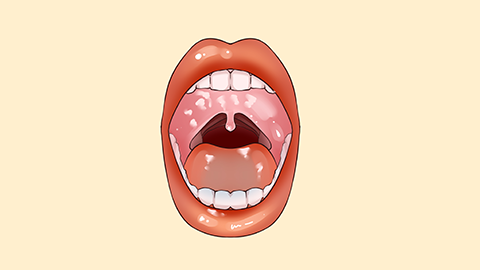
Aphthous ulcers have numerous potential causes. They may result from a recent decline in the body’s immune function or be linked to vitamin deficiencies. Prolonged consumption of spicy or irritating foods can irritate the oral mucosa and trigger ulcer formation. Chronic emotional instability may also contribute to recurrent ulcers. Additionally, a familial or genetic predisposition to aphthous ulcers has been observed. In most cases, aphthous ulcers are self-limiting and resolve spontaneously without specific treatment. However, appropriate medications can accelerate healing and alleviate symptoms.
If you develop aphthous ulcers, consult a healthcare provider promptly for proper evaluation and management. Medications should be taken only under the guidance of a qualified physician. We hope this article has been helpful to you!


