


What Causes Lower Abdominal Pain After Intercourse?

Many women experience lower abdominal pain due to gynecological issues. So, what causes lower abdominal pain after sexual intercourse?
What Causes Lower Abdominal Pain After Sexual Intercourse?
It may be triggered by external pressure or stimulation. The base of the female urethra and bladder is anatomically adjacent to the vagina, and the uterus and its adnexal structures are closely related to the vaginal anatomy. During sexual activity, external pressure, stimulation, and heightened sexual arousal can cause varying degrees of contraction and spasm in the genital organs and pelvic tissues, resulting in abdominal pain. Impatience or roughness during intercourse may also contribute—particularly if the male partner’s movements are overly hasty or forceful, potentially causing discomfort or pain for the female partner. Additionally, prostaglandins play a role: seminal fluid contains prostaglandins, substances that can stimulate uterine contractions—especially pronounced during pregnancy. This physiological response may, in rare cases, induce abdominal pain during intercourse. Furthermore, pre-existing gynecological inflammation can become exacerbated by sexual stimulation, leading to pain; such conditions typically require pharmacological treatment.
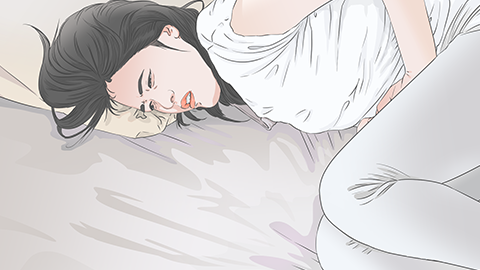
Lower abdominal pain occurring after urination is commonly attributed to a urinary tract infection (UTI). UTIs are typically caused by bacterial invasion. Common symptoms include dysuria (painful or difficult urination), swelling and burning at the urethral meatus, and urinary hesitancy. It is advisable to visit a hospital for urinalysis and pelvic ultrasound to assess for any abnormalities in the bladder. Patients with UTIs are generally prescribed antibiotics along with herbal remedies known for clearing heat and reducing inflammation.

We hope this information proves helpful to you!


