


What Causes Mouth Ulcers in Children?

When a child develops oral ulcers, parents should promptly identify the affected area in the mouth and initiate appropriate treatment. Oral ulcers have numerous potential causes; identifying the underlying cause is essential for effective management. Otherwise, inappropriate or indiscriminate use of medications may exacerbate the condition. Additionally, attention to the child’s daily diet is crucial—proper nutrition can help alleviate oral ulcers and reduce the incidence of related illnesses. Does your child have oral ulcers?
Oral Ulcers in Children
Oral ulcers in children may result from deficiencies in the B-vitamin family—particularly vitamins B₂, B₆, and B₁₂. Deficiencies in trace elements such as iron, zinc, and copper may also contribute. Such deficiencies can lead to anemia, which in turn may predispose a child to oral ulcers.
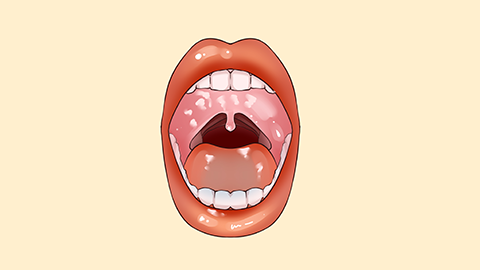
Moreover, oral ulcers may be associated with the child’s own immune status. A relatively low immune function—such as that resulting from gastrointestinal dysfunction or poor oral hygiene—can increase susceptibility to oral ulcers. In such cases, active supplementation with B vitamins, folic acid, or multivitamin tablets, along with trace elements to correct anemia and support immune function, is recommended. Immune-modulating agents—including pidotimod, transfer factor, and thymosin—may also be considered. Fucoidan lyophilized powder is another option that may enhance children’s immunity and reduce the frequency of oral ulcers.

Children should pay close attention to their diet: spicy foods should be minimized, and overly salty foods avoided, as both may trigger or worsen oral ulcers. Furthermore, when a child is unwell, consuming soft or liquid foods is advisable to minimize mechanical irritation and friction at the ulcer site, thereby preventing symptom aggravation. We hope this information proves helpful.


