


Lower Abdominal Pain After Intercourse: Pain Relief Methods

Sexual activity refers to fixed or non-fixed sexual contact undertaken to fulfill one’s sexual needs, including hugging, kissing, and other forms of physical intimacy. Sex is an essential component of marital life and a fundamental human need for survival and reproduction. However, some women experience abdominal pain following intercourse. What are the effective methods for relieving lower abdominal pain after sexual activity?
Methods to Relieve Lower Abdominal Pain After Sexual Activity
When a woman experiences abdominal pain during sexual activity, she may temporarily rest and observe her symptoms—or take anti-inflammatory and analgesic medications as needed. Excessive movement amplitude or suboptimal positioning during intercourse may cause excessive uterine contractions, resulting in intense abdominal pain. Such pain is typically non-pathological. If uterine contractions subside after rest, symptoms usually resolve rapidly without requiring specific medical intervention. However, if pain is severe during intercourse and persists or fails to improve afterward, it may indicate an acute exacerbation of an underlying pathological condition—such as pelvic inflammatory disease (PID) or endometriosis. For PID, antibiotic therapy—including penicillin, metronidazole, cephalosporins—or Kangfu Yan Capsules may be prescribed. In cases of endometriosis, surgical intervention may be necessary, or hormonal contraception (e.g., oral contraceptives) may be used to manage symptoms.
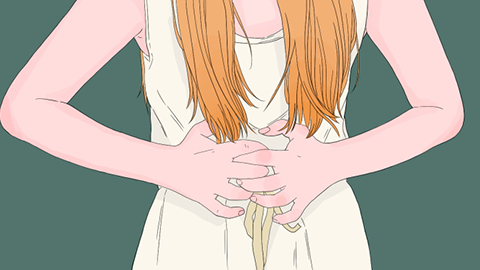
During sexual arousal, women commonly experience pelvic congestion and involuntary contraction of the pelvic floor muscles. Some women develop abdominal pain immediately after intercourse, while others may experience stomachache, backache, dizziness, nausea, or other discomforts the following day. These symptoms arise because sexual arousal triggers elevated blood pressure, increased heart rate, and accelerated respiration—physiological changes that the body may struggle to accommodate. If abdominal pain occurs, applying local heat—using a hot water bottle or a thermos filled with warm water—can help alleviate discomfort. With time, such symptoms gradually subside, and normal function is restored.
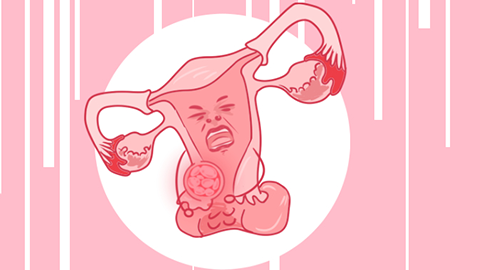
During intercourse, partners should maintain appropriate gentleness and avoid excessive tension—both physically and emotionally—while staying relaxed. We hope this information proves helpful to you.


