


Can gallstone-induced pancreatitis be fatal?

Pancreatitis caused by gallstones or bile duct stones is generally referred to as biliary pancreatitis. Early detection and prompt treatment are crucial to minimizing its impact on health. So, can biliary pancreatitis be fatal?
Can biliary pancreatitis be fatal?
Gallstones and pancreatitis are typically not life-threatening; however, if severe and inadequately treated, the condition may rapidly deteriorate, potentially becoming life-threatening. Gallstone management primarily involves oral litholytic medications—such as Hepatolith Tablets or sodium bicarbonate—followed, when necessary, by laser lithotripsy or surgical intervention. Pancreatitis treatment mainly centers on anti-inflammatory medications. In severe cases, gastrointestinal decompression is required to control disease progression and facilitate recovery.

Nausea and vomiting are early symptoms of biliary pancreatitis, often occurring simultaneously with abdominal pain. The initial episodes are frequent and commonly projectile. The hallmark symptom of gallstone-induced pancreatitis is severe abdominal pain, typically beginning in the upper abdomen, persisting continuously, and intensifying in paroxysmal episodes; it frequently radiates to the lumbar or dorsal region. Jaundice is usually mild, but in a minority of patients with hemorrhagic necrotizing pancreatitis, progressive jaundice reflects hepatic dysfunction secondary to severe intra-abdominal infection.
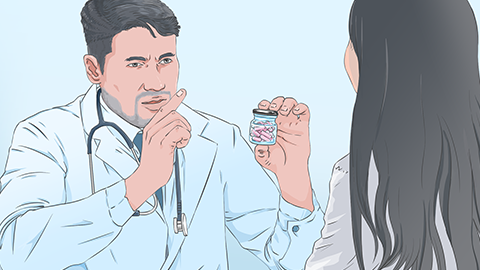
Patients with gallstones and pancreatitis should consume easily digestible, light meals, maintain regular eating habits, and avoid overeating or binge eating. They should avoid high-cholesterol foods, as well as spicy, raw, cold, or otherwise irritating foods. Increasing intake of fresh vegetables and fruits is encouraged, as these help replenish essential vitamins. We hope this information has been helpful. Wishing you good health and happiness!


