


Differences Between Cholecystitis and Pancreatitis

Cholecystitis is a relatively common disease in Nanyang City, with an especially high incidence rate. So, what are the differences between cholecystitis and pancreatitis?
Differences Between Cholecystitis and Pancreatitis
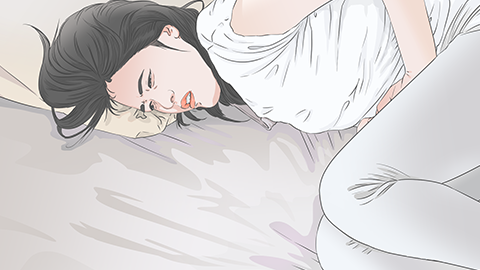
Cholecystitis and pancreatitis are two distinct diseases, yet they are closely interrelated. Cholecystitis typically presents with right upper quadrant abdominal pain, often radiating to the back and right scapular region. In contrast, pancreatitis commonly manifests as persistent mid- to upper-abdominal pain, frequently accompanied by nausea and vomiting. Cholecystitis can be diagnosed using abdominal ultrasound and routine blood tests, whereas pancreatitis usually requires confirmation via abdominal CT imaging. Treatment for cholecystitis primarily involves anti-inflammatory and antispasmodic therapy. For pancreatitis, in addition to anti-inflammatory and antispasmodic measures, acid suppression and enzyme inhibition are also essential. Since the biliary system and pancreatic duct are anatomically and functionally interconnected, biliary disease—particularly acute cholecystitis—can frequently trigger acute pancreatitis.
Cholecystitis may be classified as either acute or chronic, with largely overlapping etiologies. Obstruction of the cystic duct—often caused by gallstones migrating and becoming lodged near or within the cystic duct, particularly at the gallbladder neck—is a key pathogenic mechanism. Such impacted stones directly injure the mucosa, impeding bile outflow and leading to bile stasis and concentration. This creates a favorable environment for bacterial infection. Most pathogens ascend retrograde from the biliary tract into the gallbladder, especially when bile flow is compromised. Gram-negative bacilli constitute the predominant causative organisms, and anaerobic bacterial co-infection is common.

Severe pancreatitis can lead to systemic complications and multiorgan dysfunction; therefore, prompt diagnosis and treatment are critical upon symptom onset. We hope this information proves helpful to you!


