


What Causes Periarthritis of the Shoulder?
Aug 24, 2022
Source: Cainiu Health

Dr. Lin Yunfei
Introduction
Frozen shoulder (adhesive capsulitis) may be associated with aging, commonly affecting middle-aged and elderly individuals over 40 years old—particularly women. The fundamental cause of soft-tissue degeneration is a decreased tolerance to various external factors. Environmental influences, prolonged overuse, fatigue, poor posture, or exposure to cold can all lead to chronic localized injury. Additionally, pre-existing conditions such as cervical spondylosis or biliary tract disease may also manifest as shoulder joint pain.
The pain associated with adhesive capsulitis (frozen shoulder) causes significant discomfort for patients. Moreover, the etiology of this condition is complex—so what exactly causes adhesive capsulitis?
What Causes Adhesive Capsulitis?
Adhesive capsulitis may be related to aging, commonly affecting middle-aged and elderly individuals over 40 years old—particularly women. A fundamental underlying cause of soft-tissue degeneration is decreased tolerance to various external factors. Environmental influences, prolonged or excessive physical activity, fatigue, poor posture, or exposure to cold can all contribute to chronic local injury. Pre-existing conditions such as cervical spondylosis or biliary tract disease may also manifest as shoulder joint pain.
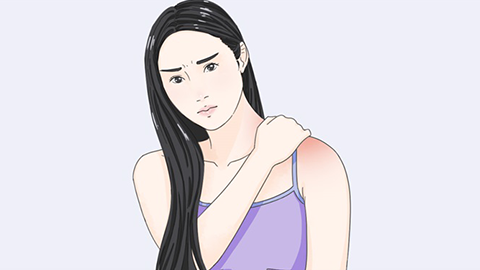
Physical factors—including prolonged immobilization of both upper limbs after trauma, post-stroke sequelae, or abnormal muscle tone—can impair local shoulder circulation, leading to muscular atrophy and tissue adhesions. Reduced shoulder mobility may further exacerbate joint stiffness. Treatment options for adhesive capsulitis include manual therapy (e.g., Tui Na massage), physical therapy, and other conservative modalities. Applying local heat therapy in daily life can also help alleviate discomfort. If severe compression affects spinal nerve roots or the spinal cord, prompt medical evaluation is essential, and surgical intervention may be necessary.
Numerous approaches in daily life can help relieve pain caused by adhesive capsulitis. Cupping therapy, for instance, may be effective for milder cases. By promoting meridian circulation and improving blood flow to the shoulder muscles, cupping helps relax muscle spasms. We hope this article has been helpful. Wishing you a joyful life and good health!


