


How to Effectively Treat Cervical Spondylosis

When treating cervical spondylosis, most people typically opt for medications aimed at relieving pain. But what is the most effective treatment approach for cervical spondylosis?
What Is the Most Effective Treatment for Cervical Spondylosis?
Traction therapy is one method used to treat cervical spondylosis. It applies traction and counter-traction forces to balance the head and neck, stabilize the natural physiological curvature of the cervical spine, and correct abnormal spinal alignment. However, this method has limited efficacy and is generally suitable only for patients with mild cervical spondylosis. During treatment, local inflammation must be avoided to prevent worsening of edema. Physical therapy also offers certain benefits in managing cervical spondylosis. It typically employs various natural or artificial physical agents—such as sound, light, and electricity—to act on localized tissues, thereby providing temporary pain relief. Physical therapy is often combined with pharmacological treatment for optimal results.
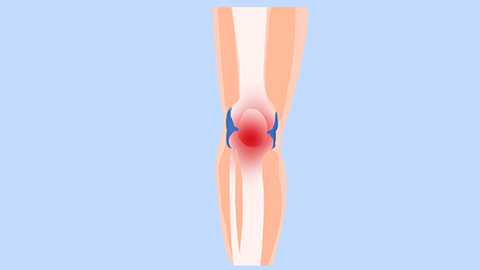
Surgical intervention may also be considered for severe cases of cervical spondylosis, particularly when conservative treatments have proven ineffective. Surgery directly removes pathological lesions. Postoperatively, patients must adhere to appropriate daily care practices to prevent disease progression and safeguard cervical health.

The choice of treatment for an individual patient should be determined following a thorough evaluation by a specialist physician. Patients with cervical spondylosis should take precautions in daily life to protect the cervical spine—avoiding exposure to cold temperatures and traumatic injury, appropriately reducing work hours, selecting evidence-based therapeutic approaches, and maintaining scientifically sound lifestyle habits. We hope this article has been helpful to you. Wishing you a joyful life and good health!


