


What Causes Teeth Grinding in Children?

Oral health is critically important during a child’s growth and development, and parents should pay close attention. So, what causes teeth grinding (bruxism) in children?
What Causes Teeth Grinding in Children
Teeth grinding in children may stem from calcium deficiency, which can be addressed by supplementing vitamin D. Additionally, dental attrition may result from intestinal parasitic infection—particularly ascariasis—or from excessive tension or stress experienced during the day. Given these varied potential causes, it is essential to consult a qualified physician at a reputable hospital for thorough evaluation and appropriate treatment. During treatment, maintain meticulous oral hygiene and care, and ensure adequate nutritional support to enhance therapeutic outcomes. Other possible causes include excessive physical fatigue due to vigorous daytime play, leading to heightened nervous system excitability and subsequent nocturnal bruxism. Children undergoing tooth replacement or active dental development may experience gingival swelling, pain, or itching; unconscious teeth grinding during sleep might temporarily alleviate this discomfort. Furthermore, poor dietary habits and inadequate food hygiene can disrupt gastrointestinal function—and even lead to intestinal parasitic infections—severely impairing nutrient absorption and thereby contributing to bruxism and malnutrition.
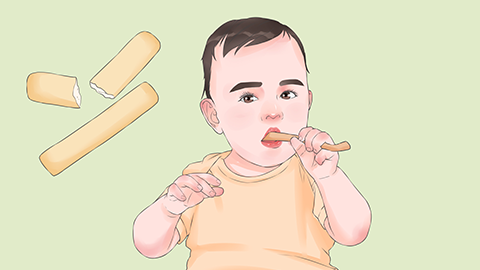
During episodes of bruxism, children should avoid hard, coarse foods that may accelerate tooth and gum wear. Chewing such foods can vibrate the dental nerves, potentially stimulating exposed nerves in carious teeth and triggering toothache. Foods to limit include fried peanuts, broad beans, soybeans, high-fiber vegetables (e.g., celery, bamboo shoots, leeks, raw carrots), as well as breaded pork cutlets and roasted mutton. Parents should also prioritize their child’s oral hygiene—ensuring regular rinsing and proper toothbrushing.

When signs of bruxism appear, parents should promptly take their child to a healthcare provider for diagnosis and targeted treatment under professional medical guidance. We hope this information proves helpful.


