


What Causes Teeth Grinding at Night?

Although you may not notice any other abnormalities in daily life, concerns about certain bodily issues warrant timely investigation to identify potential underlying causes. So, what causes teeth grinding at night?
What Causes Teeth Grinding at Night?
Teeth grinding during sleep (bruxism) may stem from nutritional imbalances. Bruxism is relatively common in the general population. Medical research suggests that its occurrence may be linked to imbalanced nutrient intake—particularly among individuals with poor dietary habits such as picky or selective eating. Such individuals may develop deficiencies in calcium, phosphorus, vitamins, and other trace elements, potentially disrupting normal sleep patterns and triggering nocturnal bruxism. Psychological factors may also contribute. Indeed, bruxism has been associated with emotional and mental states: chronic stress, excessive tension, or fear can leave a small region of the cerebral cortex in an excited state even during sleep, leading to involuntary contraction of the masticatory muscles and consequent teeth grinding.
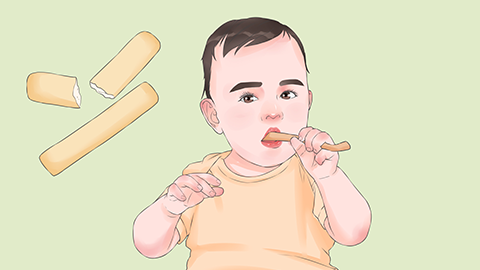
Eating excessively large meals—especially late in the evening—or consuming food too close to bedtime may overload the digestive system. Even after falling asleep, the gastrointestinal tract remains active, and the masticatory muscles may contract reflexively, resulting in bruxism. Stress and anxiety are additional contributing factors. Occasional bruxism typically causes no significant harm; however, adopting healthy pre-sleep routines—such as taking a warm bath before bed, avoiding overstimulation, and refraining from watching horror films—can help. Avoid eating dinner too late or too heavily. Regularly incorporating coarse, hard-textured foods and fruits that exercise the masticatory muscles—such as whole-grain bread, apples, and pears—supports healthy dental development and helps reduce bruxism. However, persistent nightly grinding can lead to premature tooth wear, pulp exposure, and dentin hypersensitivity. Parents should pay close attention to this and seek prompt medical evaluation—to determine whether the cause is occlusal dysfunction or calcium deficiency.

If bruxism symptoms arise, patients should consult a healthcare professional promptly to prevent disease progression. We hope this information proves helpful.


