


How to Regulate Health for People Who Frequently Stay Up Late

When people stay up too late, the normal functioning of the endocrine and nervous systems becomes disrupted, leading to dry, less elastic, dull, and lackluster skin—and increasing susceptibility to acne, melasma, hyperpigmentation, and other skin issues. Chronic late-night activity also causes fatigue and low mood, weakening the body’s immune defenses. So, how should individuals who frequently stay up late adjust and care for themselves?
How to Adjust and Care for Frequent Night Owls
Individuals who habitually stay up late should consume more foods rich in vitamins—especially vitamins C, A, B, and E—such as carrots, tomatoes, and animal livers. These nutrients help compensate for sleep deficits and restore energy. Additionally, moderate physical exercise can alleviate physical decline; however, overexertion should be avoided, as light-to-moderate activity is sufficient after staying up late. Following these recommendations, recovery after late-night activity is achievable. Nevertheless, the best strategy remains avoiding late nights altogether.

Maintaining a natural circadian rhythm is essential for optimal health—the ideal choice. If staying up late is unavoidable, prioritize easily digestible, hydrating, and nutrient-dense foods during meals. Commonly recommended options include high-protein foods such as fish, eggs, dairy products, soy-based foods, and lean meats. Excessive intake of sweets and coffee is discouraged, and carbonated beverages should be strictly avoided. Physical therapies—including foot baths, warm baths, and other muscle-relaxing techniques—are also highly beneficial for those who regularly stay up late.
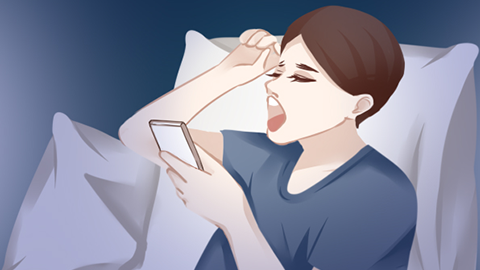
If necessary, lifestyle adjustments should be made: avoid using smartphones, watching TV, playing video games, or engaging in other stimulating entertainment activities in the evening, and go to bed as early as possible. Simultaneously, incorporate regular physical activity and culturally enriching pursuits suited to one’s physical condition—such as ball sports, tai chi, walking, calligraphy, painting, or singing—to promote optimal regulation of the nervous system. This supports bodily recovery and overall health, helping prevent further harm caused by chronic sleep deprivation. We hope this response proves helpful to you.


