


Why Is My Baby Drooling?

For many people, drooling is not usually a major concern. However, adults who frequently drool—especially during sleep—should not simply dismiss it as harmless and assume that wiping away saliva upon waking is sufficient. This symptom should not be overlooked, as it may signal an underlying health issue. Drooling can indeed be caused by disease; but what about drooling in infants? What does it mean when a baby drools?
Why Do Babies Drool?
Baby drooling is primarily caused by increased salivary gland secretion. An infant’s oral cavity is relatively small and underdeveloped, making it difficult to swallow saliva promptly—leading to drooling. In daily life, if you notice your baby drooling, gently wipe the saliva away promptly; otherwise, prolonged skin exposure may cause localized redness or irritation. If excessive drooling persists for an extended period and is accompanied by an unusually large mouth opening, it could indicate a central nervous system disorder—such as meningitis or encephalitis—and warrants prompt referral to a pediatric neurologist for evaluation.
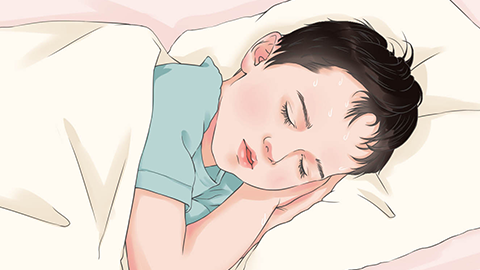
Drooling in babies is a normal physiological phenomenon associated with growth and development, particularly reflecting immature coordination of oral motor functions. Infants have relatively shallow oral cavities, and their breathing, feeding, and swallowing functions are not yet fully coordinated. Additionally, rapid breathing reduces the frequency and efficiency of swallowing, resulting in relative accumulation and overflow of saliva—i.e., drooling.
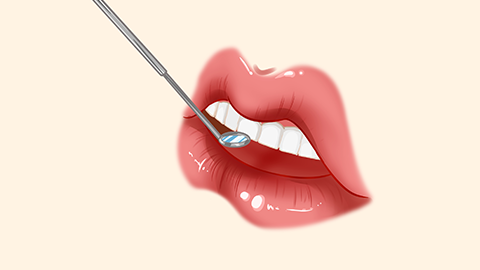
When a baby is teething—or preparing to erupt teeth—the salivary glands become more active and produce significantly more saliva. This is one of the most common causes of drooling in infants. When your baby drools, gently wipe away the saliva to prevent soiling clothes. You may also use a damp cloth to clean the skin areas exposed to saliva, or use a bib to minimize laundry frequency. We hope this information is helpful to you.


