


Can a four-month-old baby use teething sticks?

Newborns typically require only breast milk or infant formula. However, as their bodies grow and develop, infants’ nutritional needs increase. At this stage, complementary foods are usually introduced, and parents should be aware of the specific foods appropriate for their baby. So, can a four-month-old infant use teething rings?
Can a four-month-old infant use teething rings?
Yes, a four-month-old infant may use teething rings. Some babies begin teething around four months of age; during this period, they may experience discomfort such as biting fingers or excessive drooling. A teething ring can help alleviate these symptoms. Additionally, it aids in developing chewing skills and supports the eruption of primary teeth. However, other infants may not show signs of teething until six months of age, so teething rings may be introduced then instead. Not all infants enjoy teething rings—some may show little interest and continue chewing on their fingers. In such cases, maintaining cleanliness is essential.
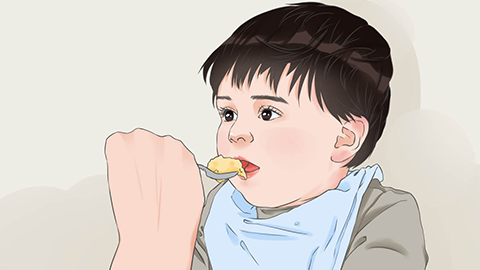
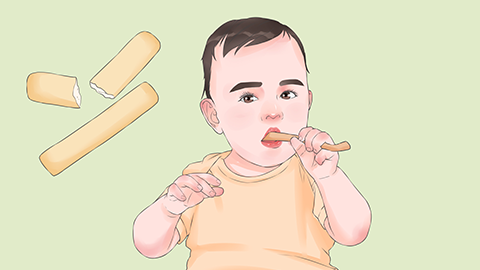
Teething typically begins between 4 and 10 months after birth, at which point teething rings may be introduced. During primary tooth eruption, infants often experience gum swelling and pain, increased salivation, gnawing or biting behaviors (e.g., on fingers), irritability, and fussiness. Teething rings can effectively relieve gum discomfort associated with tooth eruption, strengthen gums, and promote the development of grasping and chewing abilities. When using teething aids—including teething foods—nutritional supplementation may also be appropriately incorporated. An adult must supervise the infant’s use of teething rings to prevent choking. The teething ring should be an appropriate length and firmness—not too hard (to avoid gum injury) nor too soft (to ensure effectiveness)—and should be replaced regularly.
It is recommended that infants receive appropriate doses of cod liver oil and vitamin D, and spend adequate time outdoors in sunlight. We hope this information is helpful.


