


What Causes Viral Meningitis?

The brain is a critically important part of the human body. Brain damage can not only cause severe physical harm but also endanger life itself—for example, in cases of viral meningitis. This condition most commonly affects infants or elderly individuals with compromised immune systems. Once infected, prompt medical treatment is essential; otherwise, the disease may progressively worsen.
What Causes Viral Meningitis?
Viral meningitis is primarily caused by enteroviruses infecting the human body. These viruses initially enter via the gastrointestinal tract, subsequently entering the bloodstream to induce viremia, and then invade the meninges through the choroid plexus—resulting in an inflammatory meningeal disorder. Common enteroviruses include poliovirus, Coxsackieviruses A and B, as well as herpes simplex virus, mumps virus, and adenovirus—all of which may trigger viral meningitis. Additional predisposing factors include immunosuppression, excessive fatigue, common colds, and exposure to cold (e.g., getting caught in the rain). Following infection, patients typically experience symptoms such as fever, headache, photophobia, myalgia, nausea, vomiting, anorexia, diarrhea, generalized fatigue, and irritability.
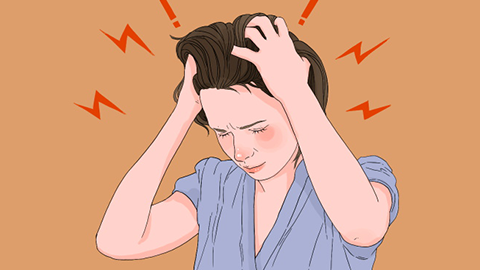
Viral meningitis is an immune-mediated inflammatory disease of the meninges triggered by nonspecific viral infections. Clinical manifestations vary widely and may include headache, fever, neuropsychiatric disturbances, seizures, and sometimes peripheral neurological symptoms. Clinically, the disease presents in two main patterns: the more common form resembles typical meningitis, often accompanied by seizures and cerebrovascular symptoms; the second pattern involves neurological dysfunction primarily driven by immune-inflammatory responses secondary to common viral infections. Early intervention is strongly recommended to prevent disease progression.

Dietary recommendations include low-sodium, low-fat, low-calorie, high-protein meals rich in vitamins and easily digestible foods. Patients should avoid overeating, consuming greasy, cold, spicy, bitter, or excessively chilled foods, as these may increase cardiac workload. We hope this information proves helpful.


