


Why is a lumbar puncture performed in cases of intracerebral hemorrhage?

During lumbar puncture (LP) procedures, many patients with neurosurgical conditions frequently hear this term during treatment. Patients often feel anxious, perceiving it as a frightening procedure and worrying that it may endanger their life or health. In fact, lumbar puncture plays a crucial role in the diagnosis and management of neurological disorders. So why is lumbar puncture performed in patients with intracerebral hemorrhage?
Why Perform Lumbar Puncture in Intracerebral Hemorrhage?
The primary purpose of performing lumbar puncture in patients with intracerebral hemorrhage is to drain xanthochromic (blood-tinged) cerebrospinal fluid (CSF), thereby eliminating potential intracranial infectious factors. First, draining blood-tinged CSF—particularly in cases of subarachnoid hemorrhage—effectively reduces cerebral irritation caused by blood breakdown products and helps prevent complications such as delayed cerebral vasospasm. Second, LP helps rule out intracranial infection, especially in patients who develop fever, nuchal rigidity, headache, and nausea following intracerebral hemorrhage. In such cases, lumbar puncture can confirm whether intracranial infection is present and identify its specific type, enabling more targeted therapeutic interventions.
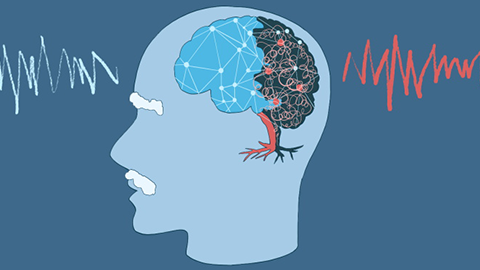
Intracerebral hemorrhage may occur in various locations, including the basal ganglia, cerebral lobes, cerebellum, brainstem, and ventricles. The vast majority of patients with intracerebral hemorrhage exhibit varying degrees of elevated intracranial pressure (ICP), making lumbar puncture contraindicated at initial presentation. However, lumbar puncture may be considered once the patient’s condition has stabilized and ICP has gradually decreased.

After undergoing lumbar puncture for intracerebral hemorrhage, patients typically require prolonged hospital observation, with continuous monitoring. Any signs of discomfort should be promptly reported to the medical team. We hope this information proves helpful to you.


