


Can patients with intracerebral hemorrhage eat mutton?

Intracerebral hemorrhage is a highly dangerous condition. If not managed carefully, it may lead to rupture of blood vessels and massive bleeding, delivering a potentially fatal blow to the patient’s health—prompt treatment is therefore essential. So, can patients with intracerebral hemorrhage consume mutton?
Can patients with intracerebral hemorrhage eat mutton?
Yes, patients with intracerebral hemorrhage may consume mutton—but they must pay close attention to how and when it is eaten. During the acute phase of intracerebral hemorrhage, the diet should be light and bland. Mutton intake should be minimal or even avoided altogether at this stage, as mutton is considered “heat-inducing” in traditional Chinese medicine and may potentially exacerbate cerebral bleeding. Once the patient’s condition has stabilized for several days, mutton may be gradually reintroduced into the diet. Rich in essential amino acids, high-quality protein, and other vital nutrients, mutton supports recovery by promoting physical rehabilitation and restoring overall health. This is especially beneficial for patients who have undergone surgery for intracerebral hemorrhage, as their bodies require additional energy—moderate consumption of mutton can thus aid disease recovery.
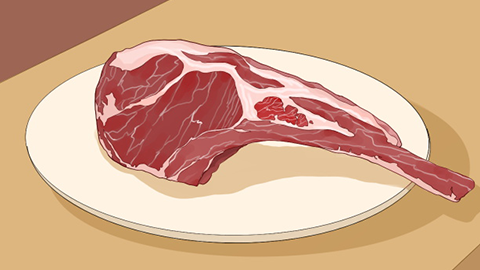
In summary, mutton does not worsen intracerebral hemorrhage; however, dietary management remains critically important for these patients. In daily life, they are encouraged to consume high-protein foods to strengthen physical constitution and immunity—mutton, beef, and lean meats are all acceptable options. Conversely, greasy foods—such as animal fats and deep-fried items—should be minimized or avoided. Furthermore, hypertension is the leading cause of intracerebral hemorrhage; thus, strict blood pressure control is essential. High-sodium foods must also be avoided, as excessive salt intake can elevate blood pressure.

Patients are advised to maintain a light, balanced diet. They should regularly consume fruits and vegetables rich in vitamin C. Alcohol and tobacco use must be strictly avoided. Spicy and cold foods should also be excluded from the diet. We hope this information proves helpful to you.


