


Can patients with intracerebral hemorrhage eat eggs?
Aug 24, 2022
Source: Cainiu Health
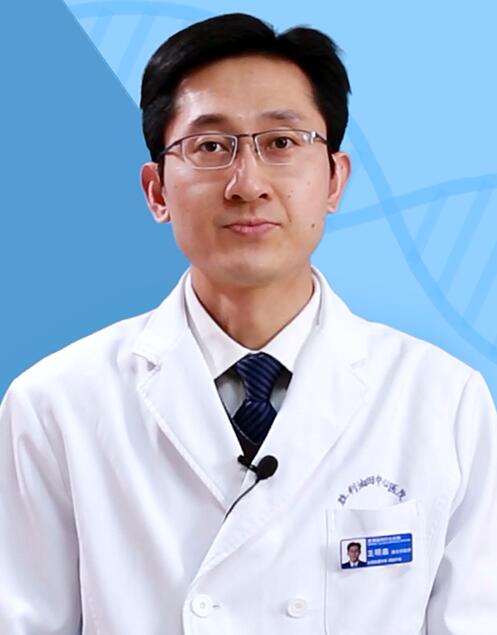
Dr. Wang Mingxin
Introduction
Patients with intracerebral hemorrhage may consume eggs in moderation. Eggs are rich in protein, amino acids, vitamins, minerals, and cholesterol, and are easily digested and absorbed; thus, they are commonly used as both food and nutritional supplements. Patients with intracerebral hemorrhage may also consume eggs moderately, but it is crucial to control the quantity—primarily because such patients often have hyperlipidemia and cerebral amyloid angiopathy.
Modern life moves at a fast pace, and many people neglect their physical health. When various illnesses arise—especially cerebral hemorrhage—they often do not know what precautions to take. Cerebral hemorrhage severely impairs patients’ quality of life, and dietary considerations are especially important. So, can patients with cerebral hemorrhage eat eggs?
Can patients with cerebral hemorrhage eat eggs?
Patients with cerebral hemorrhage may consume eggs in moderation. Eggs are rich in protein, amino acids, vitamins, minerals, and cholesterol, and are easily digested and absorbed; thus, they are commonly used both as food and as a nutritional supplement. Patients recovering from cerebral hemorrhage may also consume eggs appropriately—but the key is to strictly control intake quantity. This is primarily because such patients frequently suffer from hyperlipidemia and cerebral amyloid angiopathy, and the relatively high cholesterol content in eggs may hinder effective lipid management. Therefore, patients should determine their appropriate egg intake based on their individual lipid profile and under the guidance of their physician.

Patients with cerebral hemorrhage should avoid greasy foods, deep-fried items, and fatty meats in daily meals, and limit dietary cholesterol intake. Egg yolks contain comparatively high levels of cholesterol, so while occasional consumption is acceptable, excessive intake should be avoided. Egg whites, however, pose no such concern. Additionally, incorporating fruits and vegetables rich in vitamin C into the diet helps protect cerebral blood vessels and reduces the risk of recurrent vessel rupture.

Patients with cerebral hemorrhage must pay close attention to their diet and actively cooperate with prescribed medical treatment under their physician’s guidance. We hope this information proves helpful to you.





