


What should I do about bilateral thyroid nodules?

Thyroid nodules commonly present as a palpable lump in the neck. In severe cases, they may cause pain. Some patients develop nodules on both sides of the thyroid gland—so what should be done if bilateral thyroid nodules are diagnosed?
Management of Bilateral Thyroid Nodules
The treatment strategy for bilateral thyroid nodules begins with determining whether the nodules are benign. If confirmed benign and small in size—and if the patient is asymptomatic—no immediate intervention is required. Instead, regular follow-up visits to the hospital for physical examination and thyroid function tests are recommended. If the nodules remain stable over time, long-term observation without active treatment may be appropriate. However, if the nodules are large and cause compressive symptoms such as tenderness or discomfort, surgical excision may be indicated.
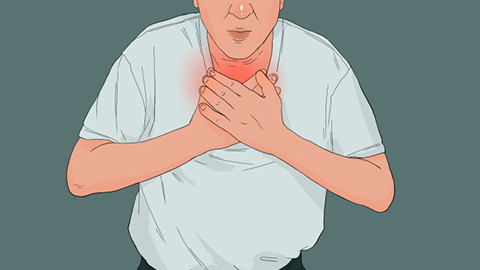
If pathological fine-needle aspiration biopsy reveals malignant cells in bilateral thyroid nodules, further evaluation—including tumor staging and assessment for distant metastasis or local invasion—is essential to guide appropriate management. Surgical resection is typically performed first, followed by long-term administration of thyroid hormone replacement therapy under physician supervision to normalize endogenous hormone levels.
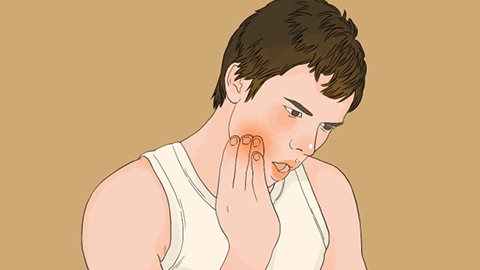
Thyroid ultrasound can help determine whether bilateral thyroid nodules are malignant. If malignancy is confirmed, surgical intervention is mandatory. For benign nodules, active surveillance is often appropriate. However, surgery may be considered if benign nodules cause significant compressive symptoms—such as dyspnea, dysphagia, or neck discomfort. We hope this article has been helpful. Wishing you a joyful life and optimal health!


