


How to Treat Rhinitis in Children

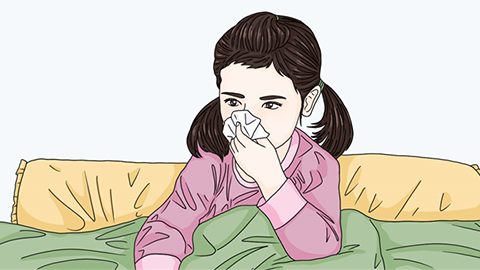
When a child develops rhinitis, they not only experience nasal discharge but also numerous other symptoms, such as nasal congestion. In severe cases, complications may arise—causing considerable distress to parents, who often feel uncertain about how to proceed. So, how is rhinitis treated in children?
How Is Rhinitis Treated in Children?
Treatment for pediatric rhinitis varies depending on the specific symptoms. Generally, if a child exhibits no symptoms, medication is not recommended, as most drugs used for this condition are vasoconstrictors. Prolonged use can damage the child’s nasal mucosa and may even lead to drug-induced rhinitis. Vasoconstrictor nasal sprays should be used only occasionally—and only when symptoms are particularly severe. For chronic allergic rhinitis, intranasal corticosteroid sprays are the mainstay of treatment. For example, if symptoms are severe, mometasone furoate (Nasonex®) may be combined with oral antihistamines. Additionally, immunomodulatory agents may be prescribed as adjunctive therapy to help regulate the child’s immune system.

Rhinitis is a broad term referring to widespread inflammation of the nasal cavity and nasal turbinates. Based on etiology, it can be classified as either allergic or non-allergic rhinitis; based on disease duration, it is categorized as acute or chronic rhinitis. Acute rhinitis typically refers to cases with a history of less than three months, whereas chronic rhinitis denotes cases lasting longer than three months. Clinically, rhinitis commonly manifests as diffuse nasal mucosal congestion and hypertrophy—primarily resulting from engorgement and swelling of the vascular sinusoids, leading to nasal obstruction.
Patients are advised to incorporate more fresh vegetables and fruits into their daily diet—particularly those rich in vitamins. We hope this information proves helpful.


